
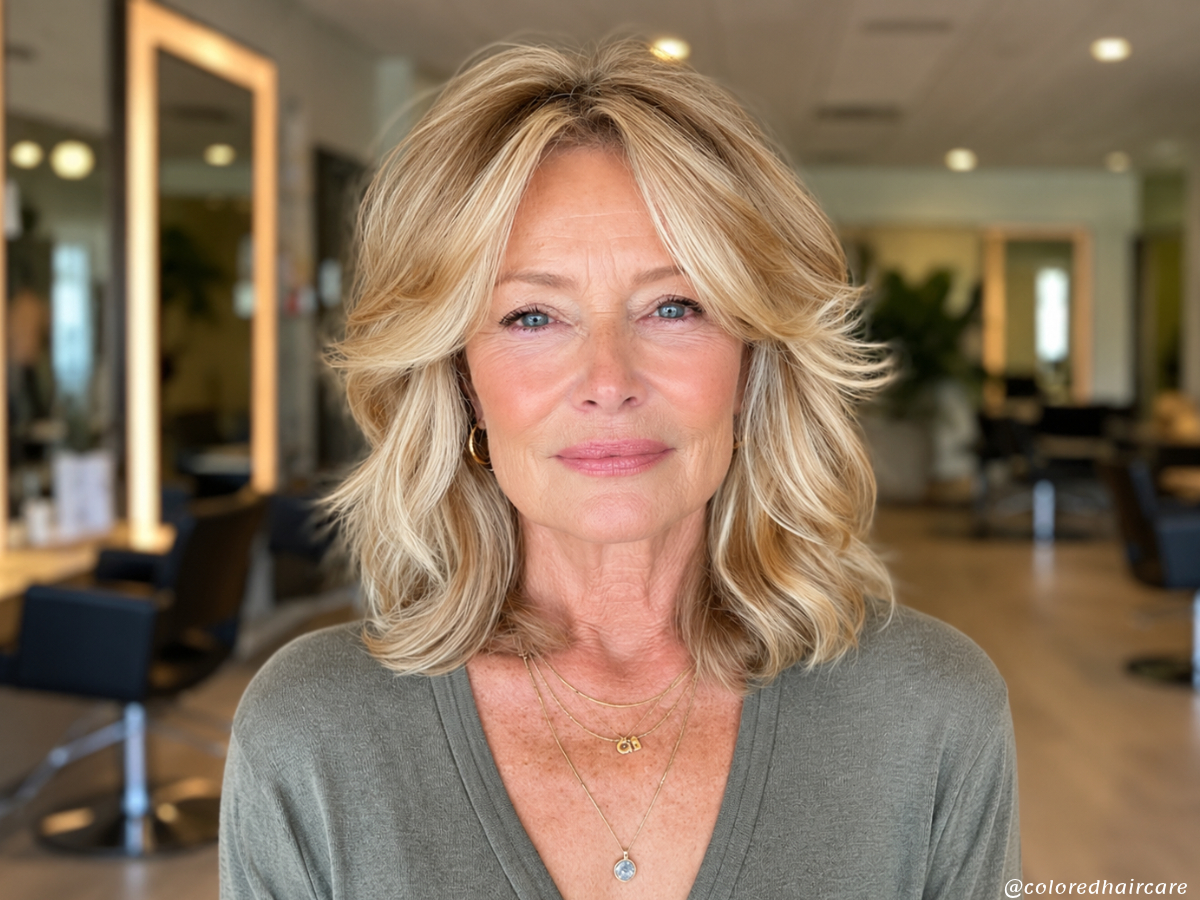
Thinking about going blonde? Or perhaps you’ve been blonde for years and fancy a little change?
Well, you’re in the right place!
Blonde hair can be absolutely gorgeous on women over 60. It can soften the contrast between your hair and complexion, add beautiful dimension and make those pesky gray roots a little less noticeable.
And with so many shades to choose from, there’s no reason to stick with the same blonde you’ve had for the past 20 years.
The trick is finding a color that works with your skin tone, natural hair color and how much time you’re happy to spend keeping it looking its best.
Whether you love warm, golden tones or prefer something cool and silvery, we’ve rounded up 15 beautiful blonde hair colors that are well worth showing your stylist.
Let’s find your next favorite shade!
1. Champagne Blonde
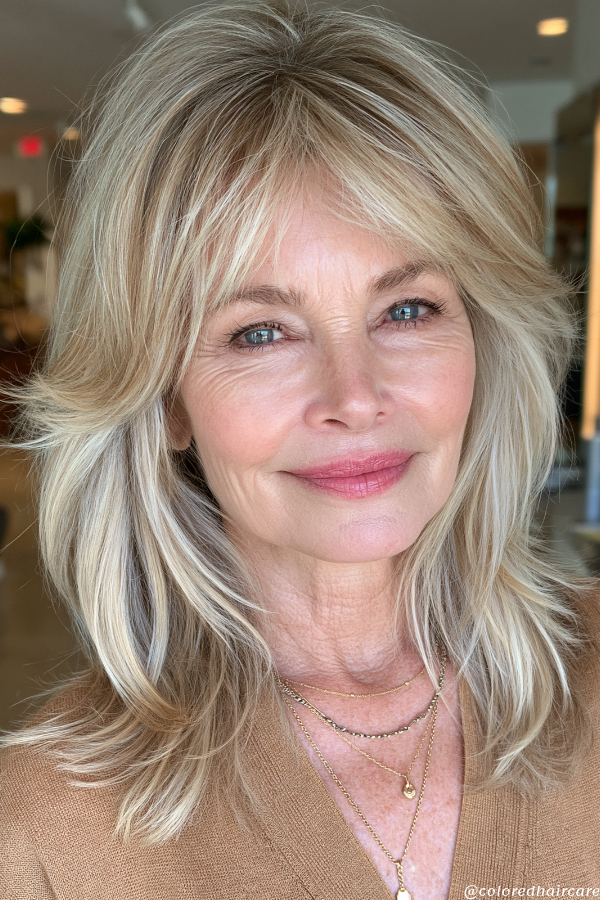
If you’re looking for a blonde that feels soft, natural and beautifully polished, champagne blonde is a lovely place to start.
This gorgeous shade sits somewhere between beige, gold and pearl, giving you just enough warmth to brighten your complexion without looking overly yellow.
It’s particularly flattering if your skin has neutral undertones, although your stylist can adjust the balance of warm and cool tones to suit you.
Why we love it: Champagne blonde is a brilliant choice if you want to lighten your hair without going dramatically blonde. A few slightly darker pieces woven through the color can add depth and keep the overall finish looking soft and natural.
Ask your stylist for: A neutral champagne blonde with delicate beige-gold highlights and a soft root blend for easier grow-out.
2. Creamy Beige Blonde
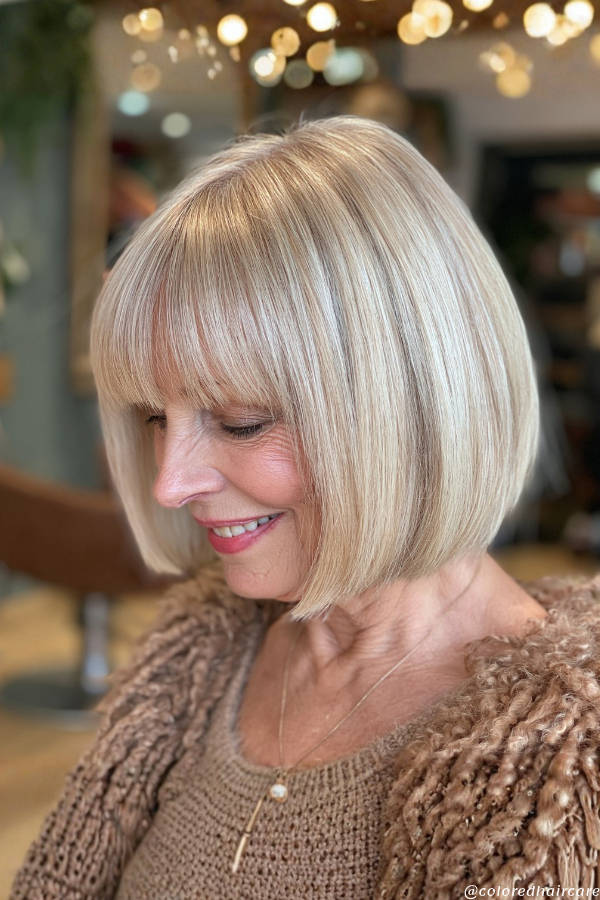
Not too warm, not too cool. Creamy beige blonde is one of those wonderfully wearable colors that seems to go with everything.
It combines soft blonde tones with a subtle beige finish, creating a natural-looking color that isn’t overly golden or ashy.
If you find bright yellow blondes a little too much but don’t love the look of icy platinum either, this could be your perfect middle ground.
It’s also a lovely option for women whose natural hair is becoming lighter or more gray, as the muted tones can help create a softer transition between salon visits.
Why we love it: The creamy finish gives blonde hair a beautiful softness, particularly when paired with a chin-length bob or shoulder-length layers.
Ask your stylist for: A neutral beige blonde with fine highlights and a creamy toner, avoiding anything too golden or silver.
3. Honey Blonde
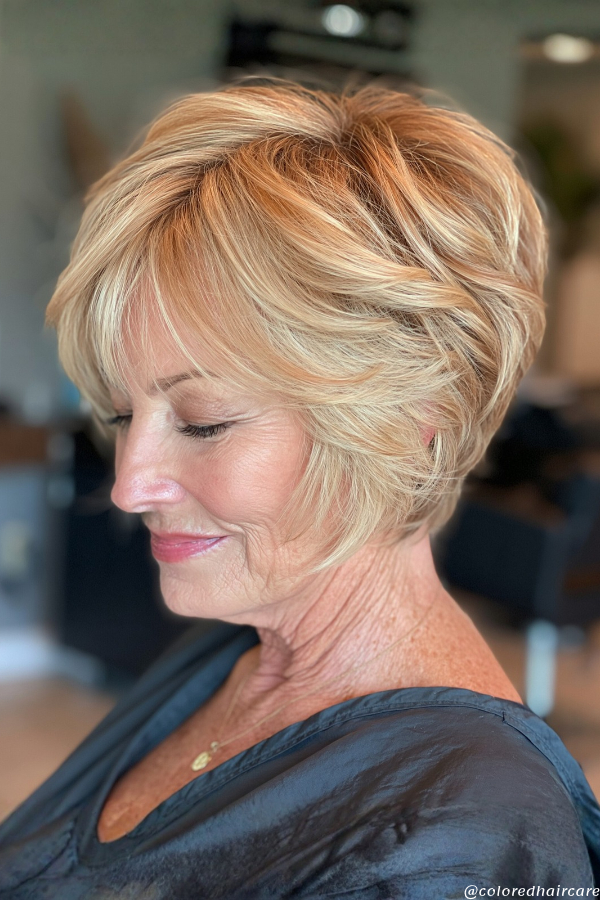
There’s something so lovely about honey blonde, especially if you want a little warmth around your face.
This rich, golden shade combines warm blonde tones with subtle amber and caramel notes, creating a color that looks beautifully dimensional rather than flat.
It’s especially flattering on warm and neutral skin tones, where the golden shades can complement the natural warmth in your complexion.
And if you’ve always been a brunette? Honey blonde is a gorgeous way to go lighter without feeling like a completely different person.
Why we love it: You don’t need to go blonde all over to enjoy this color. Honey highlights through a darker blonde or light brown base can give you that same gorgeous warmth with less upkeep.
Ask your stylist for: Soft honey-blonde highlights with a slightly deeper golden base to keep plenty of natural-looking dimension.
4. Pearl Blonde
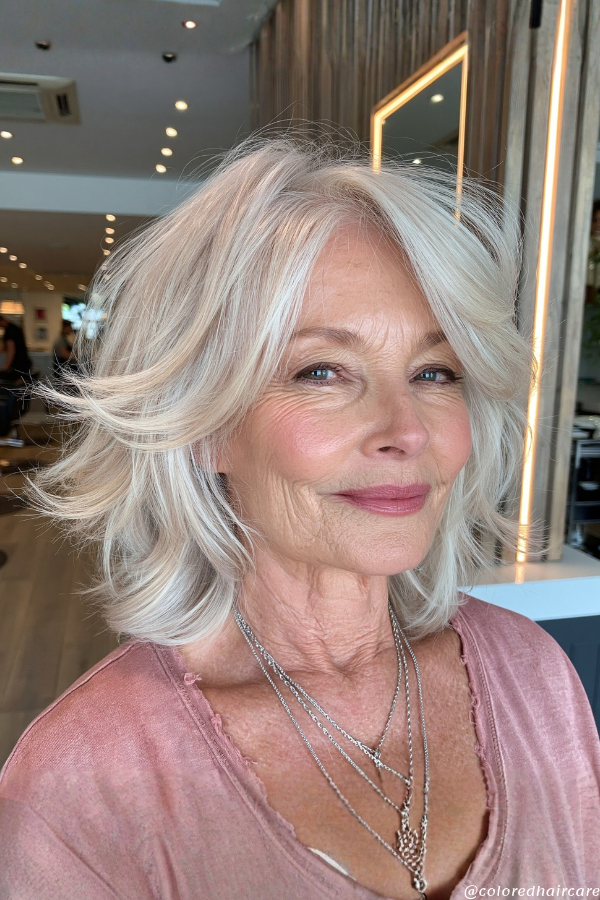
If you’re starting to embrace your natural gray hair but aren’t quite ready to give up blonde, pearl blonde might be just what you’re looking for.
This delicate, cool-toned blonde has a subtle silvery sheen that works beautifully alongside naturally white or silver strands.
Unlike some icy blondes, pearl blonde has a softer finish that can look wonderfully elegant without feeling too stark.
It’s particularly lovely on naturally light hair that’s gradually turning gray, as the cooler tones can help blend the two colors together.
Why we love it: Pearl blonde lets you work with your changing hair color rather than constantly fighting against it. And that’s always a good thing!
Ask your stylist for: A soft pearl-blonde toner over fine, cool-toned highlights, keeping the result luminous rather than overly gray.
5. Buttery Blonde
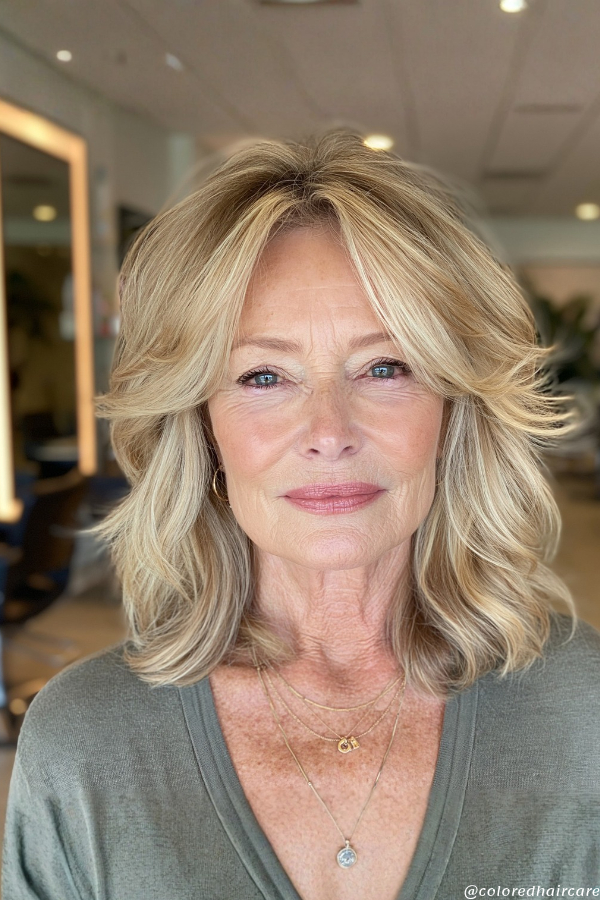
Love a warm blonde but worried about it looking too yellow? Buttery blonde could be your answer.
Think soft, creamy golden tones rather than bright, brassy yellow. It’s a rich, sunny shade that brings warmth and softness to the hair.
Buttery blonde is particularly flattering on women with warm or neutral complexions, although the exact tone can be adjusted to suit your coloring.
It looks gorgeous on layered hairstyles, where the different shades of gold catch the light and give the hair plenty of movement.
Why we love it: Buttery blonde has enough richness to stop very light hair from looking one-dimensional. A few deeper blonde pieces can make the color look even more natural.
Ask your stylist for: A creamy golden blonde with subtle lowlights for depth, rather than one solid shade of yellow-blonde.
6. Ash Blonde
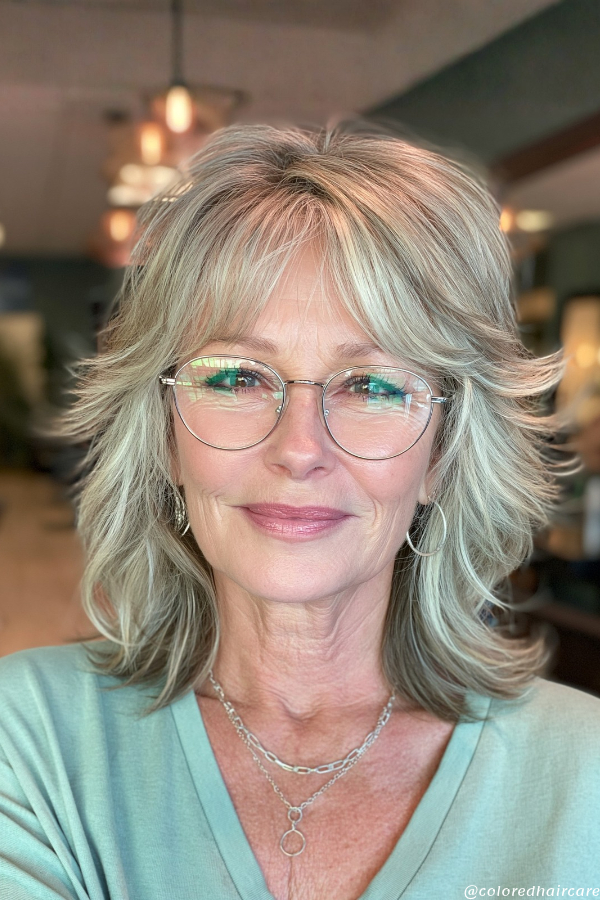
If golden blonde has never really suited you, ash blonde is definitely worth considering.
This cool-toned shade has soft gray, beige or smoky undertones rather than gold, giving it a beautifully understated finish.
It’s often a lovely match for women with cool skin undertones, particularly those who find warmer hair colors make their complexion look a little too pink.
Ash blonde can also work well when you’re beginning to notice more gray hair, especially if your natural silver has a cool tone.
One thing to watch? Going too ashy can sometimes make the hair look dull, so a little neutral beige can help keep the color looking fresh.
Why we love it: It’s a sophisticated alternative to traditional golden blonde and looks particularly lovely on sleek bobs and short, layered cuts.
Ask your stylist for: A soft ash blonde with neutral beige tones to keep the finish cool but not flat.
7. Strawberry Blonde
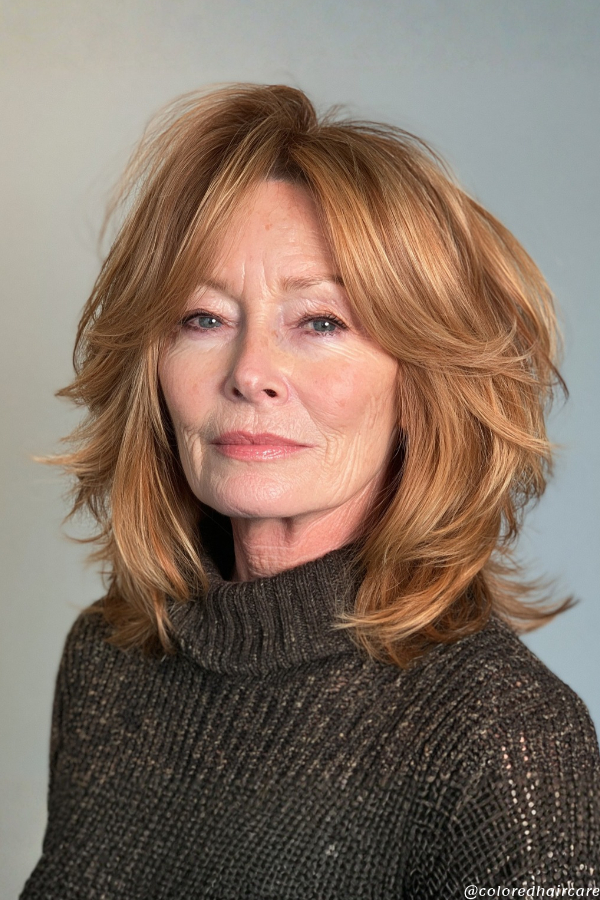
Who says you have to choose between blonde and red?
Strawberry blonde gives you a little of both, combining soft golden blonde with delicate copper or peachy tones.
The result is a warm, pretty shade that can be especially flattering if you have peachy, golden or neutral skin undertones.
And don’t worry, we’re not talking bright orange hair here! The most wearable strawberry blondes have a subtle copper warmth that feels soft and natural.
If your hair is naturally light brown or dark blonde, a few strawberry-toned highlights can be a lovely way to introduce some warmth without making a dramatic change.
Why we love it: It’s a refreshing alternative to traditional blonde shades and can look absolutely gorgeous with freckles and warm complexions.
Ask your stylist for: A soft golden strawberry blonde with delicate copper undertones, keeping the overall color more blonde than red.
8. Vanilla Blonde
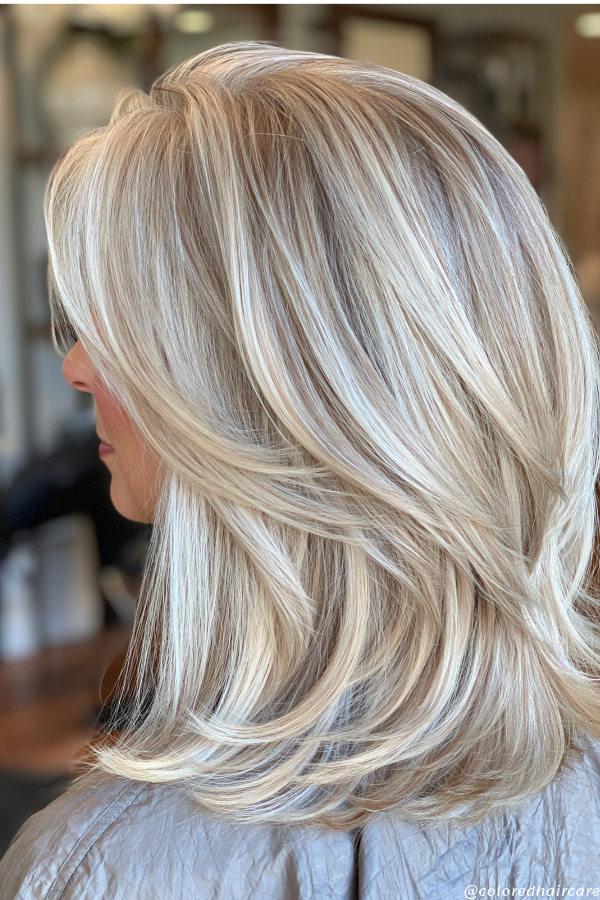
Vanilla blonde is light, creamy and beautifully soft. And if you love the idea of a bright blonde without going full platinum, this one is worth a closer look.
It’s a pale blonde with a gentle balance of neutral and warm tones, giving it a smoother, creamier finish than icy white blonde.
Vanilla blonde can be especially lovely on naturally light hair, where achieving a pale blonde doesn’t require quite as much lifting.
If your hair is naturally darker, though, it’s worth having a chat with your stylist about the lightening process, particularly if your hair is fine, dry or fragile.
Why we love it: Vanilla blonde looks fresh and bright without being quite as stark as platinum. It’s particularly pretty with a soft, textured bob.
Ask your stylist for: A pale creamy blonde with neutral undertones and a subtle shadow root to make regrowth less obvious.
9. Dark Blonde
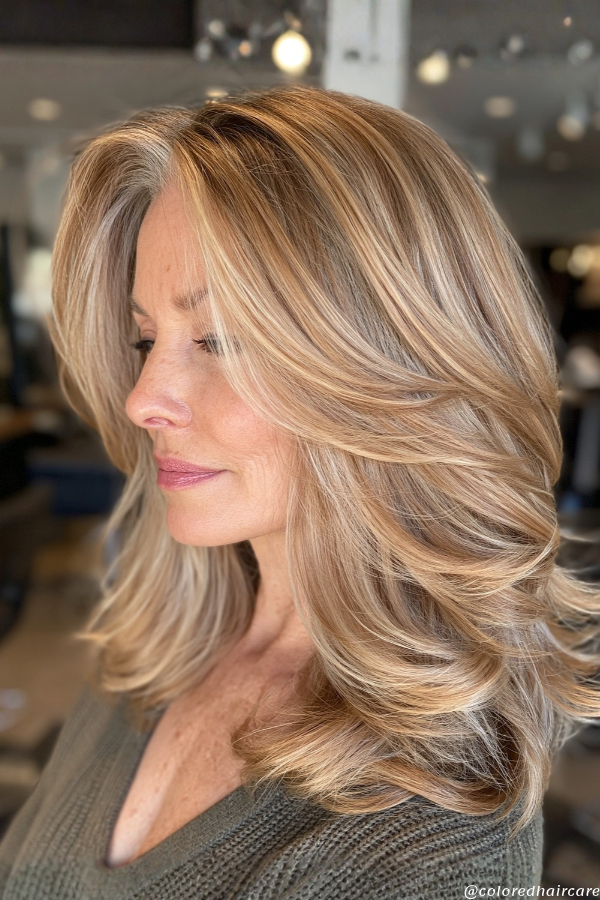
Sometimes the most flattering blonde isn’t particularly light at all.
Dark blonde is a gorgeous, natural-looking option if you want to brighten your hair while keeping some richness and depth.
Depending on your complexion, you could choose a warm golden dark blonde, a neutral beige shade or something a little cooler and ashier.
It’s also a brilliant starting point for women who have naturally light brown hair and want to gradually introduce more blonde.
And because you’re not necessarily lifting your hair to a very pale shade, it can be a gentler option than platinum, depending on your starting color and previous treatments.
Why we love it: Dark blonde is wonderfully versatile. Add a few lighter pieces around your face and you can create a brighter look without committing to an all-over light blonde.
Ask your stylist for: A natural dark blonde base with subtle face-framing highlights, keeping the roots soft and dimensional.
10. Silver Blonde
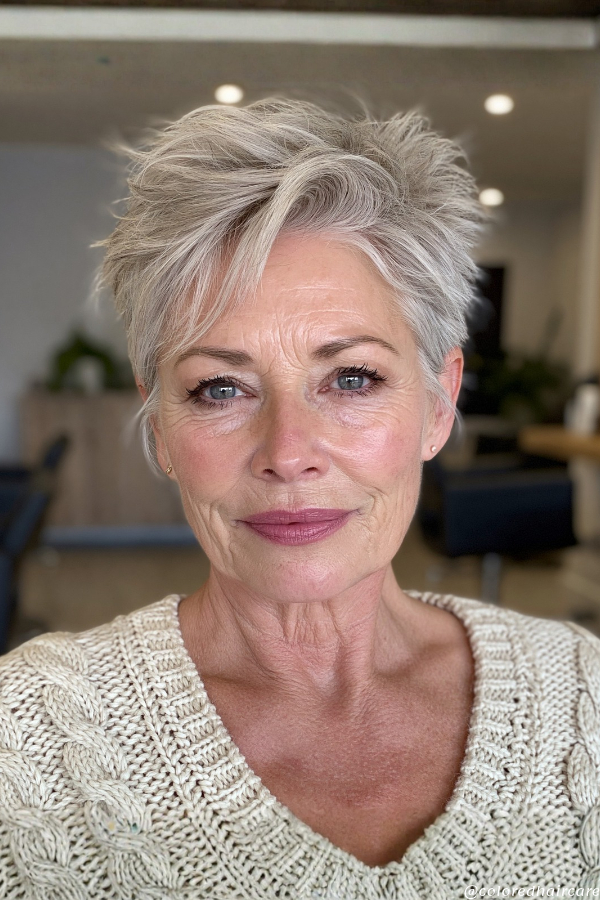
If you’re torn between staying blonde and embracing your gray hair, silver blonde offers a beautiful compromise.
This cool, luminous shade combines pale blonde with soft silver tones, creating a color that blends naturally with white and gray strands.
It’s particularly lovely if your hair is already predominantly gray or white, as your stylist may be able to enhance your natural color rather than covering it completely.
The key is keeping enough brightness in the blonde so the overall result doesn’t look too flat or overly gray.
Why we love it: Silver blonde celebrates your natural color while still giving you that lovely salon-fresh finish. It’s a great choice if you’re gradually moving away from permanent root color.
Ask your stylist for: Cool blonde highlights blended with your natural silver, using a soft silver-beige toner rather than a solid gray finish.
11. Caramel Blonde
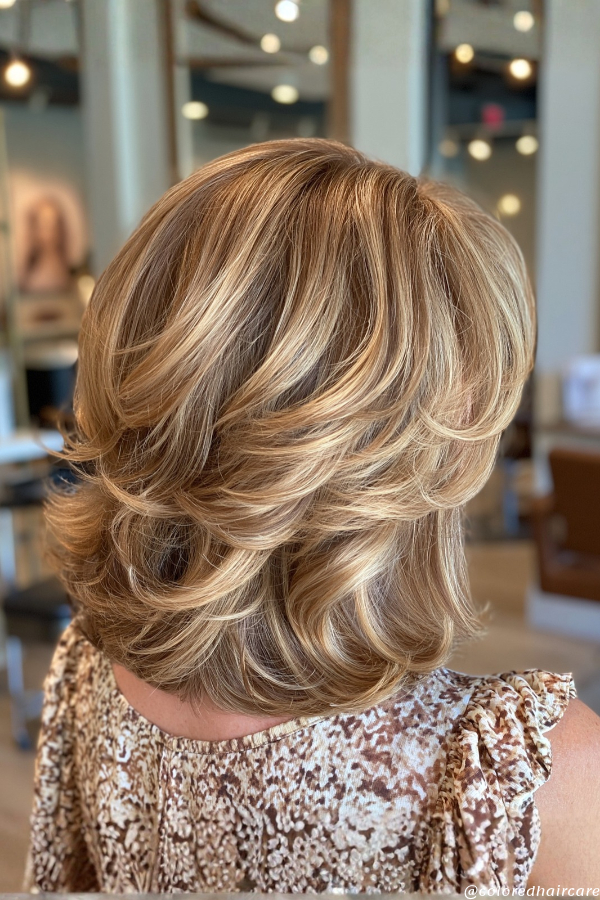
If you prefer your blonde with a little more richness, caramel blonde is a gorgeous choice.
This warm, golden-brown blonde combines caramel, honey and darker blonde tones to create plenty of depth and dimension.
It’s particularly flattering on women with warm or olive complexions, although a more neutral caramel can work beautifully on other skin tones too.
And it’s a lovely option for natural brunettes who want to introduce blonde without the upkeep of going dramatically lighter.
Why we love it: Caramel blonde looks particularly beautiful when the lighter pieces are concentrated around the face and through the ends, leaving a little more depth at the roots.
Ask your stylist for: A caramel-blonde balayage with warm beige and honey tones, keeping the base slightly darker for a natural finish.
12. Mushroom Blonde
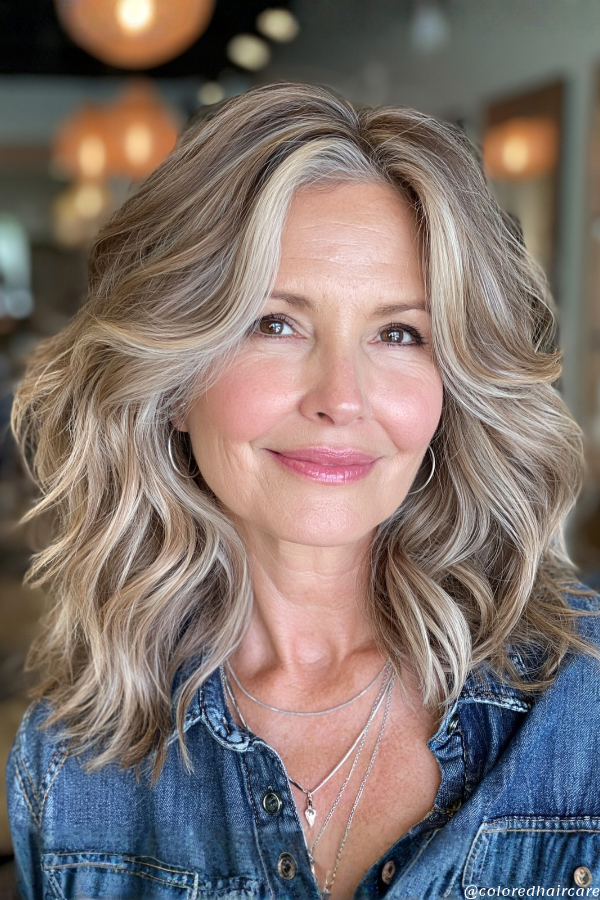
Mushroom blonde might have an unusual name, but don’t let that put you off!
This soft, muted shade combines cool beige, taupe and ash-blonde tones for a natural-looking color that isn’t too warm or too light.
It’s particularly lovely if your natural hair is a cool dark blonde or light brown, or if you’re beginning to develop salt-and-pepper gray.
Rather than trying to cover every silver strand, mushroom blonde can help create a softer blend between your natural color and the lighter pieces.
It’s worth remembering that very cool tones aren’t flattering on everyone, though. Your stylist can add a little neutral beige if you need more warmth around your face.
Why we love it: Mushroom blonde is a great choice if you want something subtle and modern without committing to a bright, high-maintenance blonde.
Ask your stylist for: A cool beige-taupe blonde with soft, blended highlights and a natural-looking root.
13. Golden Blonde
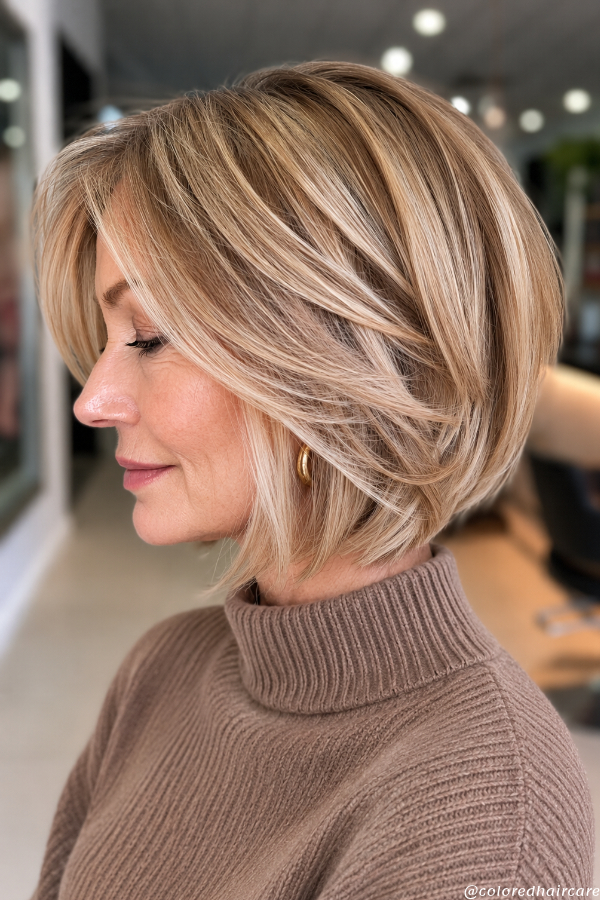
Golden blonde is a classic for a reason. It’s warm, sunny and full of beautiful golden tones.
Unlike buttery blonde, which has a softer, creamier finish, golden blonde can be a little brighter and more vibrant.
It’s often particularly flattering on women with warm skin undertones, where the golden shades complement the natural warmth in their complexion.
If your hair is naturally light brown or dark blonde, golden highlights can be a lovely way to brighten your color without going too light.
The secret is getting the balance right. You want a beautiful golden glow, not an overly yellow or brassy finish.
Why we love it: Golden blonde looks gorgeous on everything from short pixie cuts to longer, layered hairstyles. It’s a timeless color that can be tailored to suit your natural coloring.
Ask your stylist for: A natural golden blonde with a mix of lighter and deeper golden tones for dimension.
14. Icy Platinum Blonde
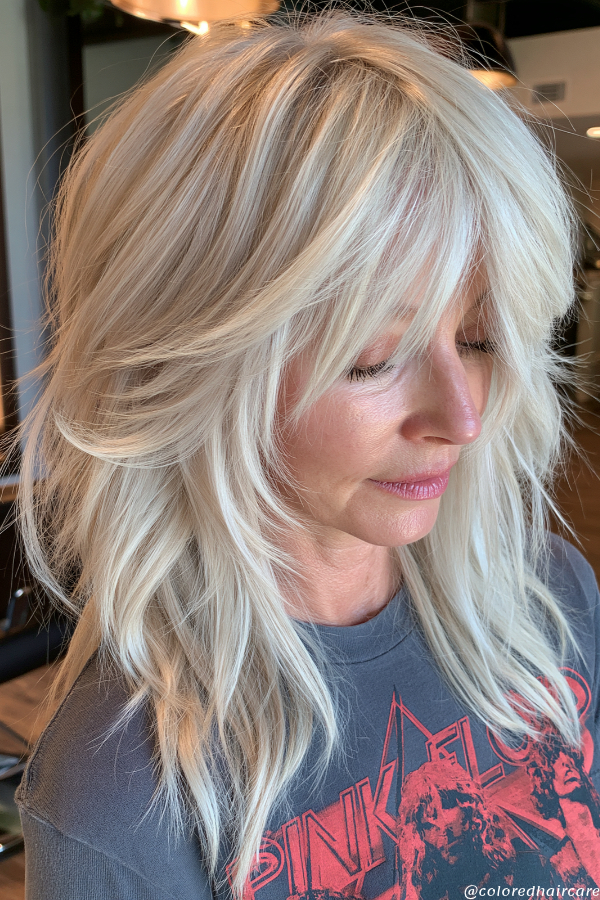
Fancy something a little more dramatic? Icy platinum blonde certainly makes a statement.
This ultra-light, cool-toned shade has very little warmth, creating a bright, almost-white blonde finish.
It’s particularly striking on women who already have naturally white or very light gray hair, as the transition to platinum may require less lightening than it would on darker hair.
That said, platinum isn’t the easiest color to maintain. It can require regular toning, careful conditioning and frequent salon appointments, especially if your natural roots are dark.
And if your hair is already fragile or heavily processed, your stylist may recommend a softer blonde instead.
Why we love it: There’s something wonderfully confident about a beautiful platinum pixie or sleek white-blonde bob. It’s bold, modern and anything but boring.
Ask your stylist for: A cool platinum blonde with a soft icy toner, and a realistic maintenance plan that suits your hair’s condition.
15. Bronde
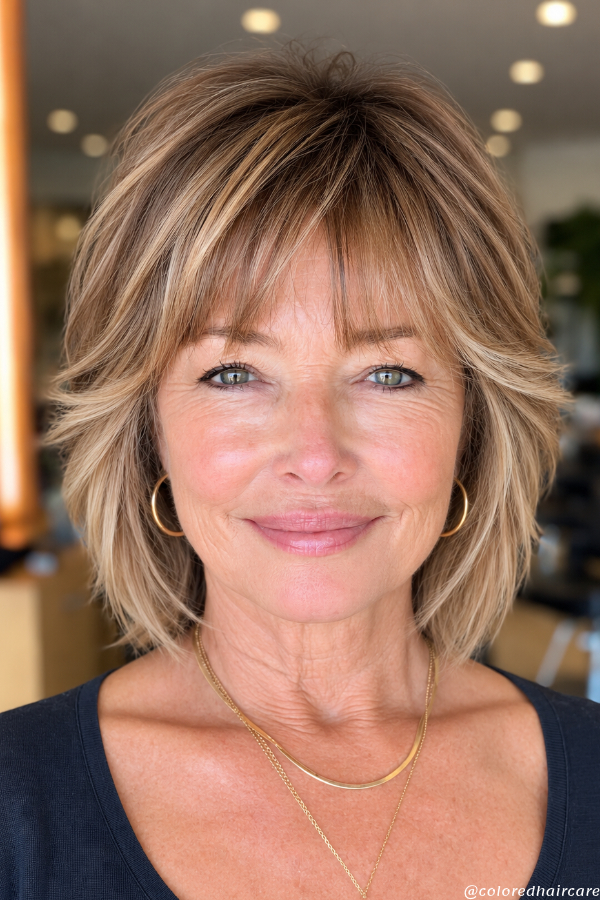
Can’t decide between blonde and brunette? Good news. You don’t have to!
Bronde hair color combines the richness of brown hair with the brightness of blonde highlights, creating a beautifully natural, dimensional color.
It’s particularly lovely if your hair is naturally light or medium brown and you want to introduce some lighter tones without going blonde all over.
Your stylist can tailor the balance of brown and blonde to suit your complexion, whether that means warm honey highlights, creamy beige pieces or a cooler, ashier finish.
And because the roots can stay closer to your natural shade, bronde can be easier to grow out than an all-over light blonde.
Why we love it: Bronde gives you the best of both worlds. You get the brightness of blonde while keeping the depth and richness that makes brunette hair so beautiful.
Ask your stylist for: A soft bronde balayage with fine blonde highlights through a natural brown or dark blonde base.
What Shade of Blonde Looks Best on Women Over 60?
The lovely thing about blonde is that there’s no single shade that suits everyone over 60.
Your skin tone, eye color, natural hair color and even how much gray you have can all influence which blonde looks best on you.
And while our skin and hair naturally change as we get older, that doesn’t mean you suddenly have to switch to a particular color.
Here’s a simple way to narrow down your options.
If you have warm skin undertones: Honey blonde, buttery blonde, golden blonde and caramel blonde can all be beautiful choices. These shades complement the warmth in your complexion.
If you have cool skin undertones: Pearl blonde, soft ash blonde, silver blonde and cooler beige shades may be particularly flattering.
If you have neutral skin undertones: Lucky you! Champagne blonde, creamy beige blonde and vanilla blonde can all work beautifully, depending on how light or warm you want to go.
Of course, these are guidelines rather than rules. The best blonde is the one that makes you feel good when you look in the mirror.
And if you’re not sure? Ask your stylist to hold a few different blonde swatches near your face in natural light. It’s a simple way to see which tones work best with your complexion.
Is Blonde Hair Good for Blending Gray?
Absolutely! In fact, blonde can be one of the easiest colors to work with when your hair starts turning gray.
Because blonde and gray are both relatively light, the contrast between your natural roots and colored hair can be less noticeable than it would be with a dark brunette shade.
But there’s a difference between covering gray and blending it.
Gray coverage usually involves permanent color to conceal the gray strands.
Gray blending uses techniques such as highlights, lowlights and soft root color to make your natural silver less noticeable as it grows through.
If you’re happy to let some of your gray show, shades like pearl blonde, beige blonde, ash blonde and silver blonde can be particularly useful.
Your stylist can weave lighter and darker pieces through your natural color to create a softer, more gradual transition.
And the best part? You may find you don’t need those frequent root touch-ups quite as often.
Which Blonde Hair Colors Are Easiest to Maintain After 60?
Let’s be fair. Not everyone wants to spend half their life sitting in a salon chair!
If you’re looking for a blonde that doesn’t need constant attention, the secret is choosing a shade that works with your natural hair color and grows out softly.
Dark blonde and bronde are often good low-maintenance options, especially if your natural hair is already light brown or dark blonde.
Beige blonde and champagne blonde can also be relatively easy to maintain when paired with a soft root shadow or blended highlights.
Pearl blonde and silver blonde may be good choices if you have plenty of natural gray or white hair, although cool tones can still need regular toning.
Platinum and icy blonde tend to need more upkeep, particularly if your natural hair is darker or prone to yellowing.
And don’t forget that the technique matters just as much as the shade.
A softly blended balayage or fine highlights can grow out much more naturally than a solid, all-over blonde with a noticeable root line.
How to Keep Blonde Hair Looking Beautiful After 60
Blonde hair can look absolutely gorgeous at any age, but it does need a little care to stay looking its best.
And because hair can become finer, drier or more fragile as we get older, it’s worth being a little gentler with your routine.
Keep your hair moisturized. Lightening can leave hair feeling dry, so use a conditioner suited to your hair type and add a moisturizing mask when needed. If your hair is fine, concentrate richer products on the mid-lengths and ends.
Don’t overdo the purple shampoo. It’s brilliant for neutralizing unwanted yellow tones in cool blondes, but using too much can leave your color looking dull or slightly violet. Warm honey and golden blondes may not need it at all.
Protect your hair from heat. Always use a heat protectant before blow-drying or styling, and keep your tools at a temperature your hair can comfortably handle.
Ask about bond-building treatments. If you’re having your hair lightened, your stylist may recommend treatments designed to help reduce damage during or after the coloring process.
Be realistic about maintenance. A beautiful blonde shouldn’t feel like a full-time job. If you prefer fewer salon visits, tell your stylist before choosing your shade.
Final Thoughts
Going blonde after 60 isn’t about trying to look younger or following a particular set of rules.
It’s about finding a color that flatters your complexion, works with your natural hair and makes you feel fabulous.
Maybe that’s a soft champagne blonde that blends beautifully with your gray roots. Perhaps it’s a rich honey blonde that brings a little warmth to your face. Or maybe you’re ready to embrace a gorgeous silver blonde and let your natural color take center stage.
Whatever your style, there’s a beautiful blonde out there for you.
Save your favorite shades, take a few pictures to your next salon appointment and have a chat with your stylist about what will work best for your hair.
Because gorgeous blonde hair doesn’t come with an age limit!
Found your perfect shade? We’d love to see it! Tag us on Instagram @coloredhaircare or Facebook and share your hair color stories. Looking for more hair care tips? Check out How to Look After Colored Hair: 11 Expert Secrets For Long-Lasting Color.

Our Research & Review Process
To ensure our recommendations are as comprehensive and reliable as possible, we’ve undertaken an extensive research effort.
We cite scientific evidence and journals, collect real user reviews and gather impartial perspectives from hair stylists, users, and experts in the field.
Additionally, we conduct hands-on testing by using products and applying hair dyes not only on our own locks but also on real human hair extensions and hair pieces of different hair type, textures and lengths.
This rigorous approach allows us to provide you with insights into which products genuinely live up to their promises.
As always – please consult with a professional hair colorist or stylist for advice on how to color your own hair at home. It’s different for everyone!
