
Oh, bleaching dark hair at home. It’s the ultimate DIY ‘adventure’ for any hair color lover.
I remember the first time I decided to take the plunge—I was convinced I’d end up with the perfect platinum locks. Spoiler alert: I did not!
But through trial, error, and a whole lot of hair masks, I learned the tricks of the trade.
How do you know which bleach kit is right for you? What if your hair turns out orange? How can you prevent that from happening? Is there a way to make your color last longer? (There sure is!) These questions are all answered in our guide below.
So, if you’re ready to transform your tresses, let’s talk about how to bleach dark hair at home without the drama.
Why Bleaching Dark Hair is Such a Challenge
Let’s get one thing straight: dark hair is like that stubborn coffee stain on your favorite white shirt. It doesn’t want to lift!
This is because darker hair has more melanin, making it resistant to lightening. Plus, dark pigments can turn brassy or orange if not handled correctly.
But don’t worry, we’ve got the secrets to success right here.
“Dark hair often contains red and orange pigments that are exposed during the bleaching process. This can lead to unwanted brassy tones if not done correctly.”
Celebrity colorist Rita Hazan via Allure

How to Prep Your Hair for Bleaching
Preparation is key. Before you even think about touching that bleach, you need to get your hair ready.
First up, use a good clarifying shampoo to remove any build-up. This ensures the bleach penetrates evenly.
And always, always do a strand test. This helps you gauge how long to leave the bleach on and see if your hair can handle it.
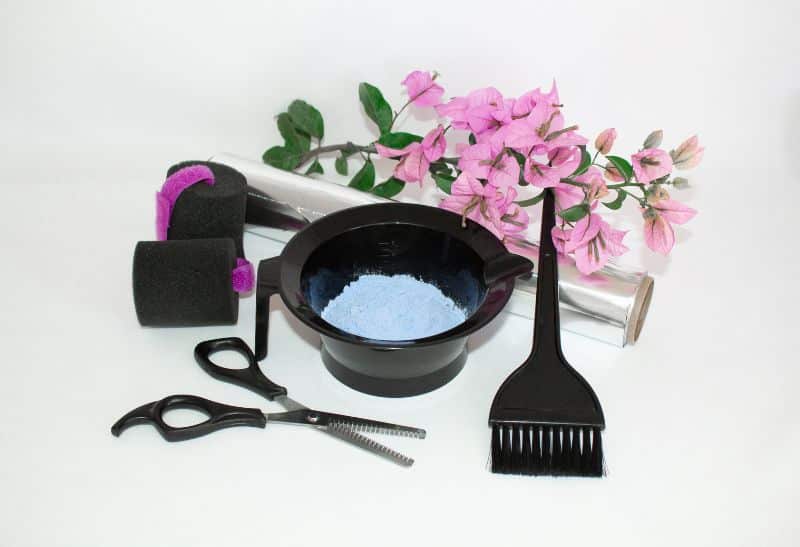
Gather your supplies, you’ll need:
- A high-quality bleach kit
- Developer
- Gloves
- A tinting brush
- A bowl
- Foils. Trust me, being prepared makes a huge difference!
Expert Insights
“Make sure your hair is in the best possible condition before bleaching. Deep conditioning treatments are a must.”
Hair Colorist & Guru Brad Mondo.
Step-by-Step Guide to Bleaching Dark Hair
We asked our resident hair stylist and color consultant Enza Piazza to share her expert tips on the process. Ready to go blonde? Follow these steps to achieve the best results:
- Protect Your Workspace and Yourself: Lay down old towels and wear something you don’t mind getting bleach on. Gloves are non-negotiable.
- Mix the Bleach and Developer: Follow the instructions on your bleach kit. Usually, it’s a 1:2 ratio of bleach to developer.
- Apply to Dry Hair: Start with your roots and work your way down. Use foils to keep sections separate and to speed up the process.
- Monitor the Process: Check your hair every 10 minutes to see how it’s lightening. For dark hair, you may need to leave the bleach on for up to 45 minutes.
- Rinse and Condition: Once you’ve reached the desired level of lightness, rinse out the bleach thoroughly. Follow up with a deep conditioning treatment.
Expert Insights
“Patience is crucial. Rushing the process can lead to damage and uneven color.”
Celebrity Colorist Guy Tang
Watch & Learn: How to Bleach Dark Hair at Home.
Here is a great video tutorial that guides you through how to safely bleach your dark hair at home without compromising the health of your hair.

Avoiding the Dreaded Orange Hair
No one wants their hair to look like a traffic cone. Here’s how to avoid those brassy tones:
After bleaching, apply a toner to neutralize any unwanted warm tones. Purple toners are great for combating orange and yellow hues.
Because your hair is dark, you might need to bleach it more than once. Leave at least a week between sessions and condition your hair well in between.
Why Does Hair Turn Orange?
- Natural Pigments: Dark hair contains red and orange pigments that are revealed during the bleaching process.
- Insufficient Processing Time: Not leaving the bleach on long enough can result in under-processed, brassy hair.
- Incorrect Bleach Mix: Using the wrong developer strength can lead to uneven lightening and orange tones.
- Previous Dye Residue: Old hair dye can interfere with the bleaching process, causing unexpected color outcomes.
- Environmental Factors: Hard water, chlorine, and sun exposure can all contribute to brassy tones after bleaching.
Aftercare for Bleached Hair
Bleached hair needs TLC. Here’s how to keep it looking fabulous:
Deep condition regularly. Your hair will be thirsty after bleaching, so use masks and leave-in conditioners to keep it hydrated.
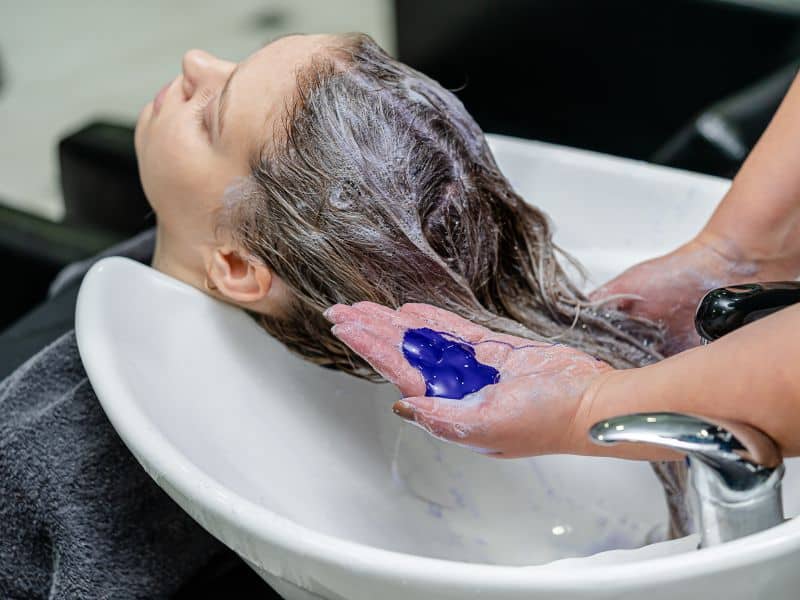
Use purple shampoo to maintain the cool tones in your hair and keep brassiness at bay.
Bleached hair is more susceptible to damage, so avoid excessive heat styling. When you do use heat, always apply a heat protectant.
Expert Insights
“Post-bleach care is non-negotiable. Your hair will thank you for it.”
Hair stylist Jen Atkin via Harpers Bazaar
Your Hair’s Bleached, What’s Next?
Congratulations, your hair’s bleached! But the journey doesn’t end here. Whether you’re aiming for a vibrant color or a perfect blonde, there are a few more steps to ensure your hair looks fabulous.
Is It Light Enough?
First things first, check if your hair is light enough for the color you want.
If you’re going for pastel shades or vivid colors like pink or blue, your hair needs to be a pale blonde.
Hold a section of your hair next to a white piece of paper to see if it’s light enough. If it’s still too dark or brassy, you might need another round of bleaching.
To Bleach Again or Not?
If your hair isn’t light enough, you may need to bleach it again.
However, give your hair at least a week to recover and condition it well in the meantime. Over-bleaching can lead to severe damage, so proceed with caution.
The Magic of a Bleach Bath
If you need to lighten your hair just a bit more, a bleach bath (or bleach wash) can be a gentler option.
Mix bleach powder, developer, and shampoo, and apply it to your damp hair. This method is less harsh than a full bleach session and can help achieve that final lift.
Dyeing Your Bleached Hair
Ready to add some color? Here’s what you need to know:
Blonde Ambitions: Even if you want to stay blonde, you’ll likely need to use a blonde hair dye or toner to achieve a natural-looking shade and to remove any remaining brassy tones. Choose a shade that matches your desired end result and follow the instructions carefully.
Vibrant Colors: If you’re going for a bold hue, apply the dye to your bleached hair. Most semi-permanent dyes work best on light, bleached hair and don’t require developer. Just apply the color, let it sit, and rinse it out.
Pastels: For those dreamy pastel shades, make sure your hair is almost white. Apply the pastel dye, and remember that these colors can fade quickly, so be prepared for regular touch-ups.
Tips for Dyeing Success
- Strand Test: Always do a strand test before applying the dye all over your head. This helps ensure you get the color you want without any surprises.
- Deep Condition: Your hair will be dry from bleaching, so use a deep conditioner after dyeing to lock in moisture.
- Maintain Your Color: Use sulfate-free shampoos and conditioners to preserve your new color. Consider using a color-depositing conditioner to keep your shade vibrant.
Parting Words
Bleaching dark hair at home can be a game-changer for your look, but it requires patience and the right techniques.
With this guide, you’re well on your way to achieving those dreamy, lighter locks.
Remember, it’s all about preparation, patience, and proper aftercare. So, go forth and bleach responsibly, and soon you’ll be flaunting that stunning new shade with confidence!