
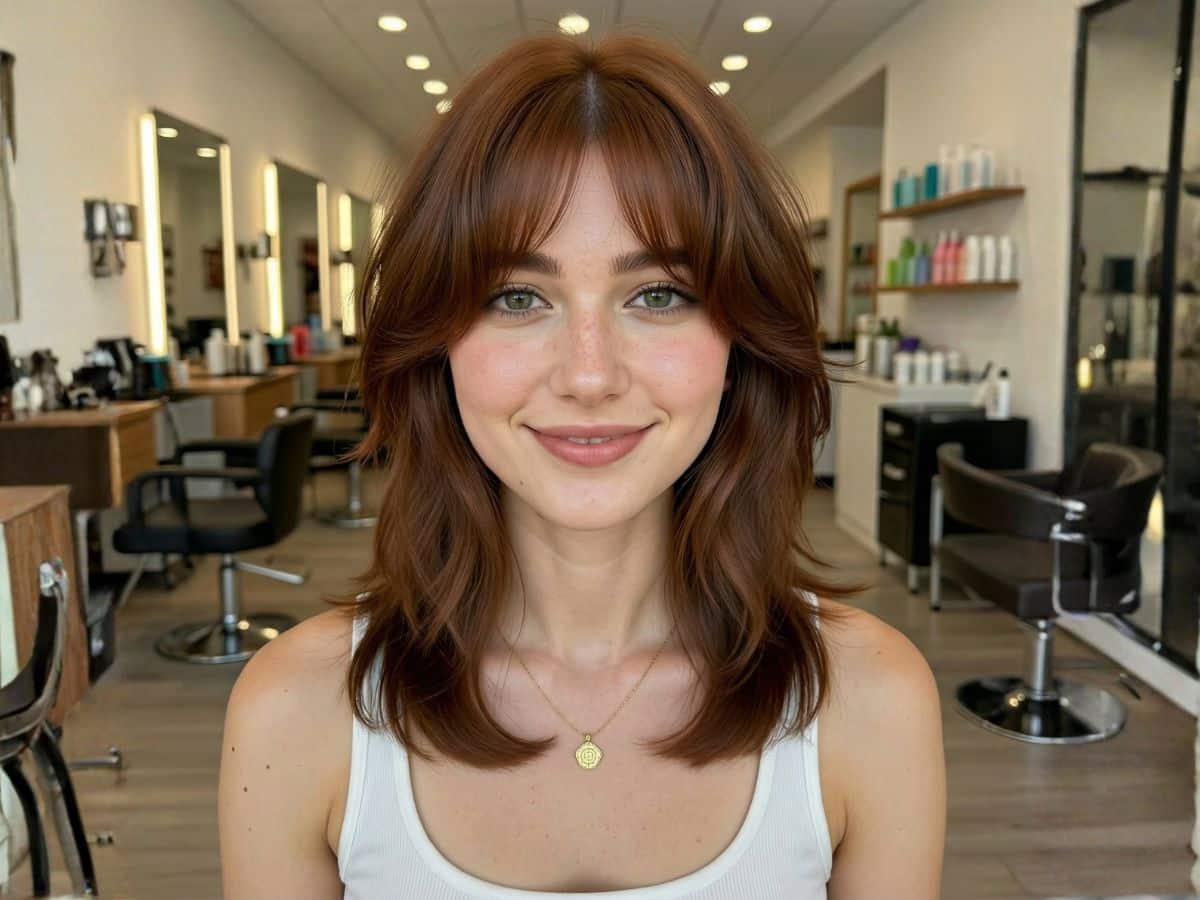
The wolf cut has officially cemented itself as the haircut of the moment—and honestly? We’re not mad about it. That perfect blend of shag-meets-mullet edginess with face-framing layers has been gracing our feeds non-stop, from runway models to your favorite TikTok influencers.
But while the cut itself is undeniably fierce, the right hair color can take your wolf cut from “cute” to absolutely chef’s kiss iconic.
Whether you’re craving sun-kissed balayage that plays up those choppy layers, a bold fashion color that screams main character energy, or dimensional tones that add serious depth to all that texture, your color choice is everything.
The wolf cut’s layered, lived-in vibe practically begs for color that moves, catches the light, and shows off every single piece-y detail. So if you’ve been wondering how to make your wolf cut truly yours, you’re in exactly the right place.
Table of Contents
1.Smokey Shadow Roots
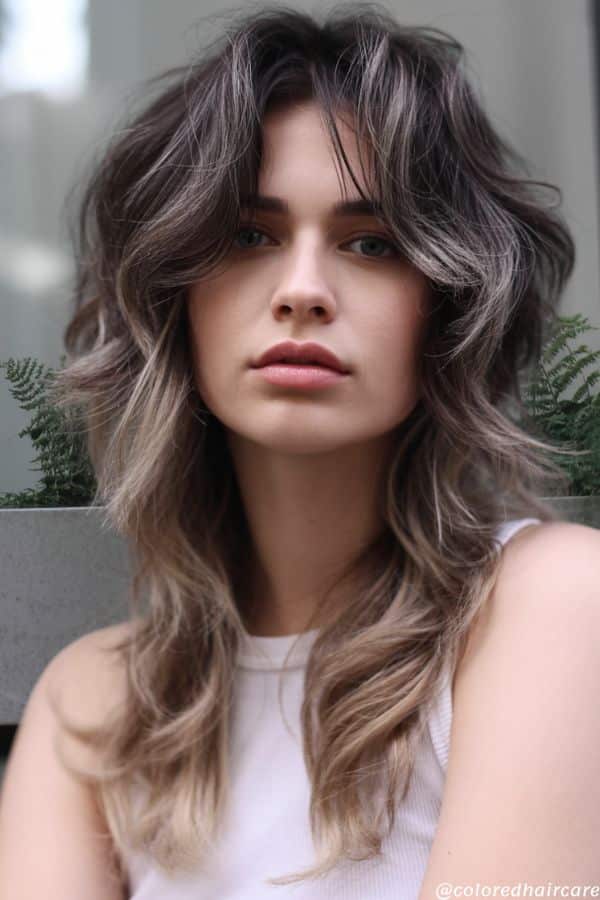
Subtle, sultry, and low-maintenance — smokey shadow roots are the moody upgrade your wolf cut didn’t know it needed. This technique starts with a deeper tone at the roots (think espresso, slate, or charcoal) that softly melts into lighter mids and ends, like cool blonde or ash brown.
It works beautifully with the layered texture of a wolf cut, adding depth at the crown while highlighting movement below. Ideal for anyone who wants effortless regrowth or is transitioning from a full bleach.
Expert Insights
“The darker roots blend seamlessly into the lighter lengths… it’s an excellent technique for anyone looking to minimize touch-ups or maintain a polished look.” — Marc Mena
2.Chunky Face-Framing Highlights
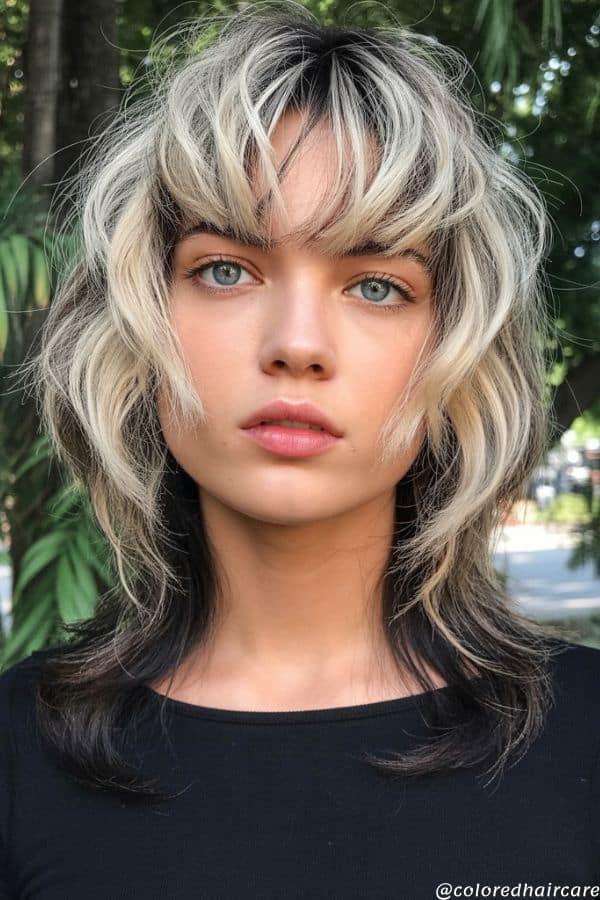
If you’re craving drama, chunky face-framers are the instant facelift your wolf cut’s been waiting for. Inspired by the bold contrast of ’90s supermodel glam, this look places thick, lightened sections right around the face.
The result? Sharp definition and built-in contour that emphasizes the cut’s volume and fringe. Go platinum over brunette for a true throwback, or experiment with honey or pastel for a softer take.
Expert Insights
“Chunky highlights are the favorite trend of all celebrities right now. They create instant depth and face focus.” — Vanessa Koeb
3.Neon or Pastel Tips
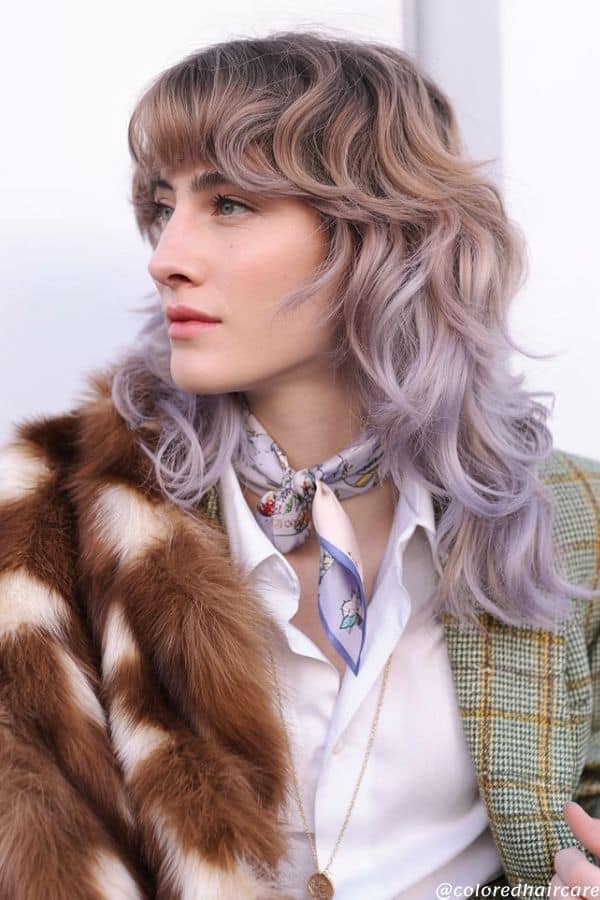
This one’s for the playful at heart — and commitment-averse. Neon or pastel tips are a dip-dye dream on a wolf cut’s choppy layers.
Whether you go blush pink, icy mint, or a full neon moment, coloring just the ends adds a flash of color without needing a full bleach-out. Perfect for TikTok creators, festival hair, or those craving fun with minimal maintenance — and it looks killer when the wind catches those layered ends.
Expert Insights
“Tips are perfect for pastel lovers who want to test bold color. They’re easy to refresh and totally TikTok-friendly.” — ColorBar Studios, Brooklyn
4.Reverse Ombre

The unexpected twist that turns heads: reverse ombre flips the usual color script by keeping roots light and blending down into deeper ends.
On a wolf cut, this creates a truly modern silhouette — the lightness at the crown adds lift and airiness, while the deeper base draws the eye down, enhancing length and shape.
Try platinum roots into chocolate ends or pearl blonde into steel grey for maximum contrast.
Expert Insights
“Depending on the color, colorists may use a root gloss or permanent color and sometimes add toner… this adds amazing depth and dimension.” — Matt Rez
5.Bold Color Blocking & Peekaboo Panels

If the wolf cut is the hairstyle of rebels, color blocking is its riotous best friend. This look uses panel dye or peekaboo sections in unexpected shades — think electric blue under black, hot pink panels that flash with movement, or split-dye fronts.
The wolf cut’s textured layers reveal and hide these colors like a visual surprise with every toss and flip. It’s especially popular with the alt-girl crowd and Gen Z fashion set.
Expert Insights
“Color blocking lets you express your personality in panels — it’s perfect for wolf cuts that move and reveal.” — Arctic Fox Color Team
How to Choose the Right Hair Color for Your Wolf Cut
Picking the perfect shade for your wolf cut isn’t just about what’s trending on Instagram (though, let’s be real, that helps). It’s about finding a color that works with your unique vibe, lifestyle, and let’s not forget—your maintenance tolerance. Here’s what to consider before you take the plunge.
Start with your skin tone. Warm undertones? You’ll absolutely glow in caramel, honey, and rich copper tones. Cool undertones tend to sing with ash browns, platinum, and icy pastels.
If you’re neutral (lucky you), basically the entire color spectrum is your playground. When in doubt, ask your colorist to hold different shade swatches near your face—the right one will make your complexion look brighter and more alive.
Think about your natural base. Going more than a few shades lighter than your natural color means bleach, which means commitment, upkeep, and TLC.
If you’re a wash-and-go kind of person, consider working with your natural color through dimensional techniques like balayage or babylights rather than fighting against it.
Consider your lifestyle. Be honest with yourself: are you the type to book touch-up appointments every six weeks, or do you prefer a more low-maintenance approach?
Rooted colors, lived-in balayage, and fashion shades that fade gracefully are your friends if salon visits aren’t your thing. High-maintenance shades like platinum or vibrant fashion colors? They’re stunning but require serious dedication.
Factor in the wolf cut’s texture. The beauty of this cut is all those choppy, lived-in layers—which means your color should enhance that movement, not fight it.
Dimensional color techniques (think balayage, foilayage, or color melting) look absolutely incredible on wolf cuts because they catch light at every angle and show off each individual layer.
Don’t forget the fade factor. If you’re going bold with fashion colors, remember that shades like pink, purple, and blue will fade over time. Some people love watching their color evolve (very rock and roll), while others find it frustrating.
Chat with your stylist about color-depositing products that can help maintain your shade between appointments.So the cut speaks volumes — but your color? That’s the mic drop. Whether it’s moody smoke, neon punk, pastel dream, or high-contrast edge, this is the color moment your layers deserve.
Hair grows back. Confidence doesn’t fade. So go bold, go custom — and howl with pride.
Found your perfect shade? We’d love to see it! Tag us on Instagram @coloredhaircare or Facebook and share your hair color stories. Looking for more hair care tips? Check out How to Look After Colored Hair: 11 Expert Secrets For Long-Lasting Color.

Our Research & Review Process
To ensure our recommendations are as comprehensive and reliable as possible, we’ve undertaken an extensive research effort.
We cite scientific evidence and journals, collect real user reviews and gather impartial perspectives from hair stylists, users, and experts in the field.
Additionally, we conduct hands-on testing by using products and applying hair dyes not only on our own locks but also on real human hair extensions and hair pieces of different hair type, textures and lengths.
This rigorous approach allows us to provide you with insights into which products genuinely live up to their promises.
As always – please consult with a professional hair colorist or stylist for advice on how to color your own hair at home. It’s different for everyone!
