
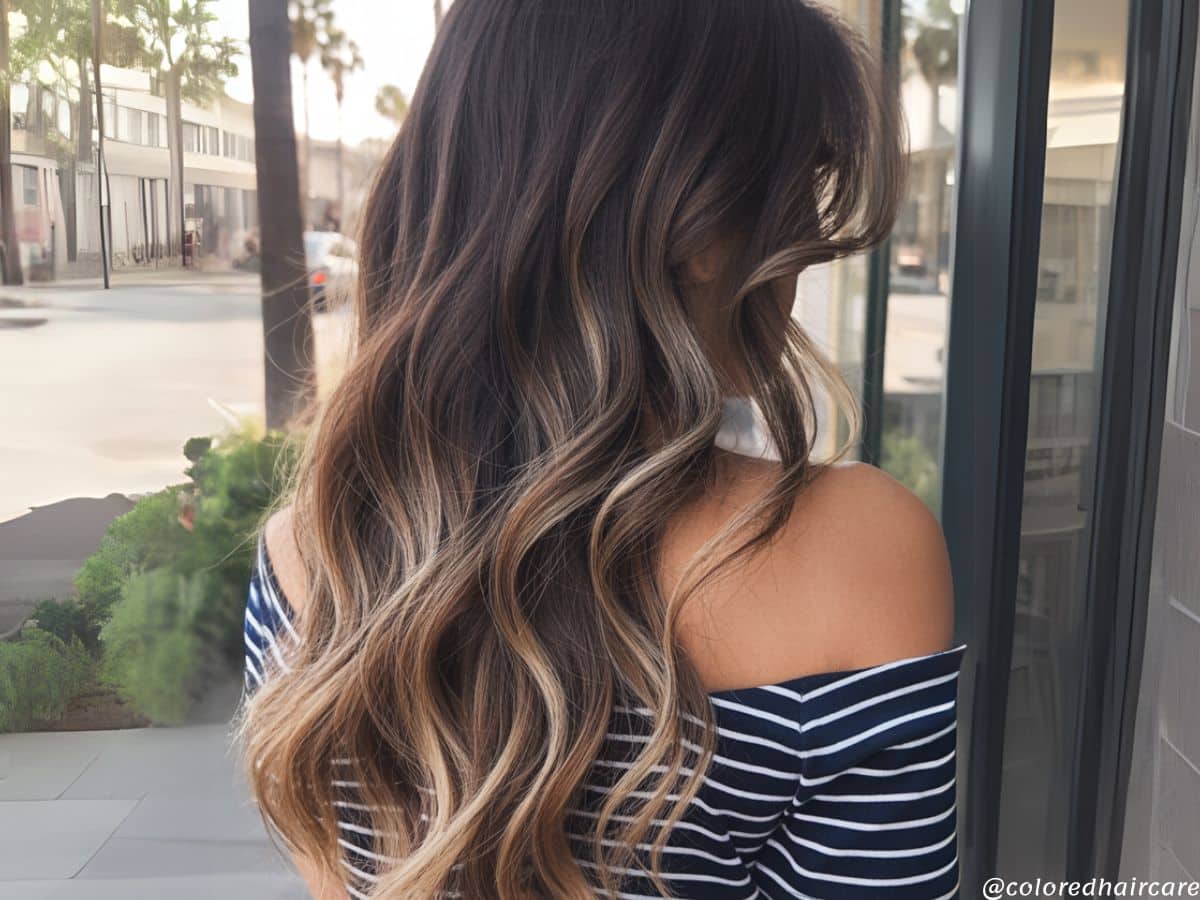
The most requested technique in high-end salons right now isn’t more highlights—it’s reverse balayage. I’m talking about strategically adding darker tones to create dimension that looks effortlessly expensive, naturally sun-kissed, and impossibly chic.
“Traditional balayage adds light to create dimension,” explains master colorist Adir Abergel, who’s worked with Kristen Stewart and Scarlett Johansson. “Reverse balayage adds strategic darkness to create the illusion of natural light variation. It’s like creating shadows that make the existing highlights pop.”
While everyone’s chasing that platinum dream, the smartest colorists are going completely rogue.
They’re adding depth instead of lightness, creating low maintenance blonde hair that grows out beautifully, and mastering techniques like root melt balayage that make hair look naturally multidimensional.
Check out some of the hottest reverse balayage looks to screenshot and show your stylist.
1. The Fall Bronde Balayage
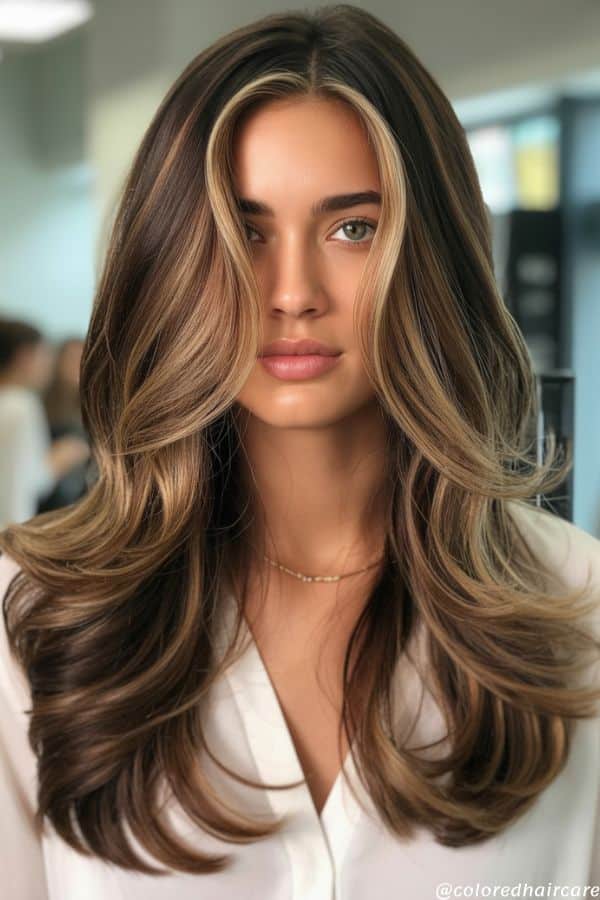
The perfect reverse balayage blonde to brown transition for autumn vibes
This is the ultimate low maintenance blonde hair solution that’s taking over social media. We’re talking golden blonde with rich chocolate ribbons that create that coveted “expensive blonde” look.
Master colorists use a technique called “shadow threading”—painting level 6 chocolate brown in fine sections through level 8 blonde hair. “We’re not covering the blonde,” explains celebrity colorist Tracey Cunningham. “We’re creating depth pockets that make the light pieces sing.”
Chocolate lowlights eliminate that flat, one-dimensional blonde look while creating the perfect fall bronde balayage. The contrast creates movement and makes hair appear thicker—plus it’s incredibly low maintenance.
2. Root Melt Brunette To Blonde
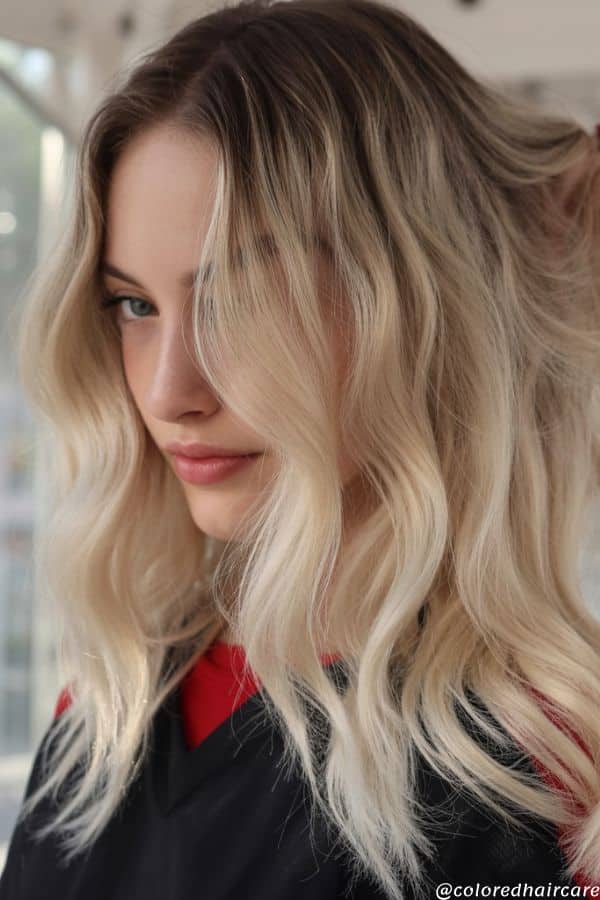
The seamless root melt balayage that creates effortless dimension
This low maintenance brunette balayage technique creates a multi-tonal masterpiece that looks naturally sun-kissed.
“We use a technique called ‘tone bracketing,'” explains master colorist Aura Friedman. “If the base is a level 6 caramel, we add level 4 espresso ribbons. The two-tone difference creates perfect contrast without looking chunky.”
This reverse balayage brunette approach focuses on seamlessly blending darker tones from the roots through the mid-lengths. The result? Hair that grows out beautifully with zero harsh lines.
3. Reverse Money Piece Hair
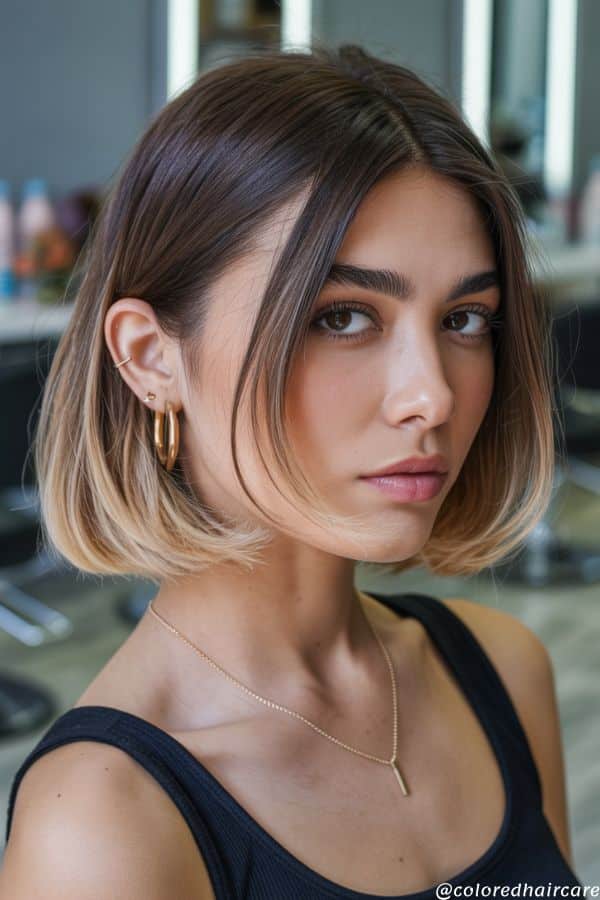
The anti-money piece that adds ash lowlights instead of bright highlights
Forget traditional money pieces—this reverse money piece hair technique adds sophisticated ash tones around the face for that coveted “Scandinavian cool” effect.
Start with level 9 platinum blonde, add strategic level 7 ash brown ribbons focusing on the face-framing sections. “We’re creating expensive-looking dimension without the commitment,” explains master colorist Nikki Lee.
After applying the reverse balayage, everything gets toned together with a custom ash blend. This eliminates brassiness while creating seamless low maintenance blonde hair that looks effortlessly chic.
Perfect For: Cool-toned blondes who want sophisticated dimension. This reverse balayage blonde to brown approach is incredibly flattering and grows out beautifully.
4. Copper Lowlights in Strawberry Blonde
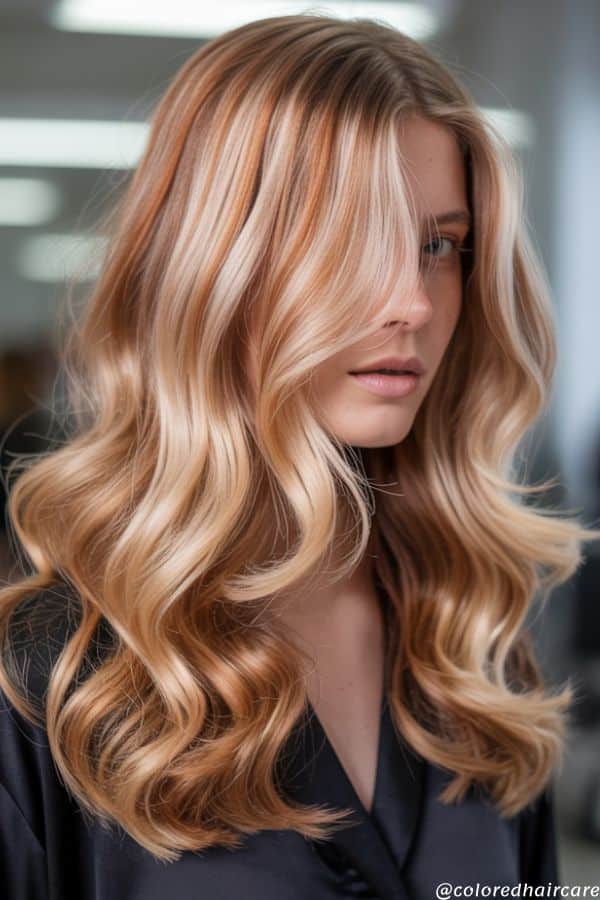
Adding rich copper depth to create warm, dimensional redhead perfection
This signature look isn’t just gorgeous strawberry blonde—it’s strawberry blonde with strategic copper lowlights that create incredible dimension.
“We use a painting method called ‘flame stroking,'” explains celebrity colorist Christophe Robin. “Copper lowlights are painted in flame-like patterns through strawberry blonde for natural-looking movement.”
Styling Secret: This combination looks incredible with loose waves—the copper catches light differently than the strawberry blonde, creating natural-looking dimension with every movement.
5. Dark Chocolate Ribbons in Medium Brown
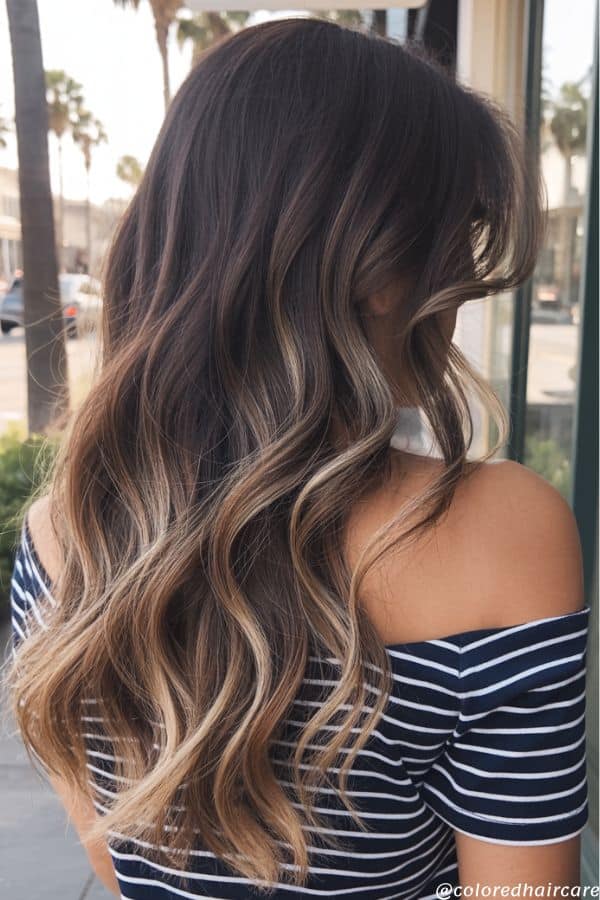
Creating rich, coffee-shop sophistication with strategic darkness
This stunning brunette isn’t one flat color—it’s medium brown with strategic espresso lowlights that add incredible richness.
“We use a technique called ‘shadow weaving,'” explains Adir Abergel. “Espresso lowlights are woven through medium brown in irregular patterns that mimic how hair naturally varies in color.”
“Dark lowlights actually increase shine because they create more surface variation for light to reflect off of.”
Perfect For: Brunettes who want richness without going lighter or dealing with maintenance.
6. Honey Root Melt Balayage
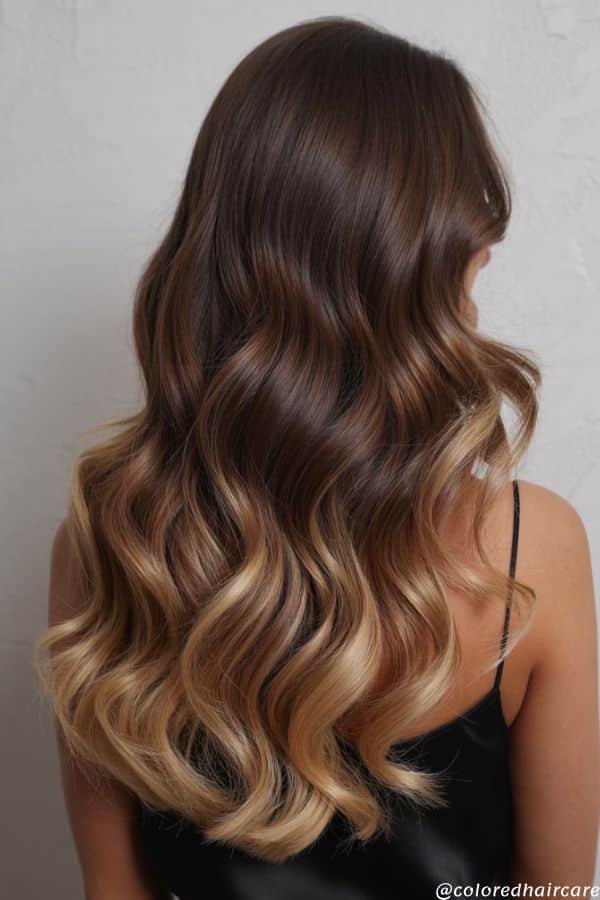
The seamless root melt technique that adds golden depth to light brown
This root melt balayage approach strategically places honey tones to warm up cool brown hair while creating seamless grow-out.
“Honey lowlights are actually darker than they appear,” explains Tracey Cunningham. “They’re a level 6 golden brown that reads as ‘honey’ because of the warm undertones.”
Top colorists use a “dropping technique”—honey lowlights are painted from roots to ends in a melting motion, creating natural-looking sun-kissed variation that grows out flawlessly.
7. Rich Brown Lowlights in Dirty Blonde
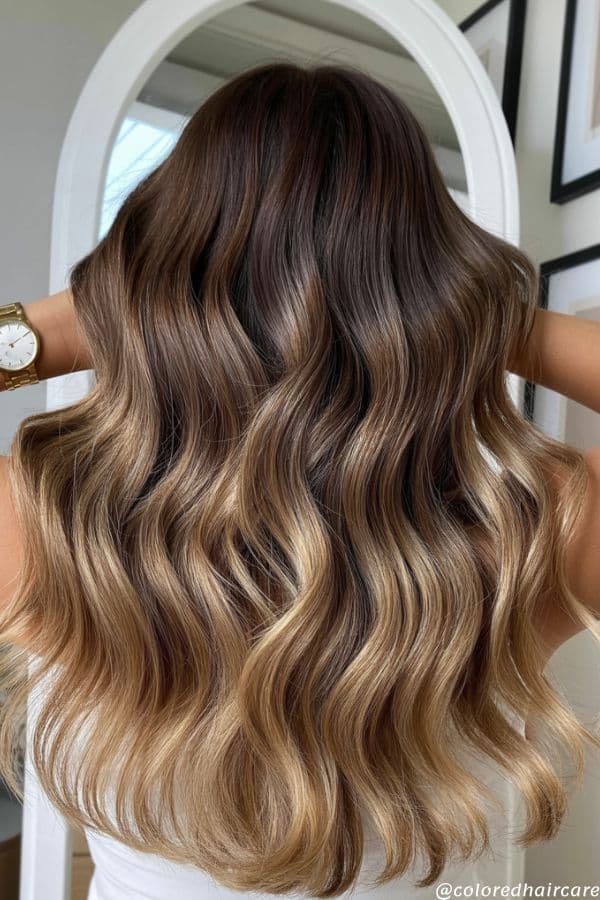
The perfect bridge between blonde and brunette
Effortless dirty blonde isn’t just one color—it’s dirty blonde with strategic mocha lowlights that add sophistication.
“Mocha lowlights in dirty blonde create the most natural-looking dimension,” explains Aura Friedman. “It’s like adding shadows that make the blonde look more intentional.”
“This combination grows out so beautifully,” notes Richy Kandasamy. “The lowlights blend with natural regrowth, extending time between appointments.”
The Versatility Factor: This works with both warm and cool skin tones because mocha is a neutral brown that complements everything.
The Reverse Balayage Process: What Actually Happens in the Chair
Step 1: The Consultation Conversation “We analyze the existing color and determine where shadows would naturally fall,” explains master colorist Johnny Ramirez. “It’s about understanding the hair’s natural growth patterns.”
Step 2: The Strategic Sectioning Unlike traditional highlights, reverse balayage focuses on specific areas. “We typically concentrate on the mid-lengths and ends,” notes Tracey Cunningham. “The goal is to create depth, not cover the roots.”
Step 3: The Painting Process “We use a freehand painting technique, but we’re adding darkness instead of lightness,” explains Adir Abergel. “It requires a completely different eye for placement.”
Step 4: The Processing Time Reverse balayage processes faster than traditional highlighting. “We’re depositing color, not lifting it,” notes celebrity colorist Cassondra Kaeding. “Usually 20-30 minutes maximum.”
Step 5: The Toning Finish “We often finish with a gloss that unifies everything,” explains Aura Friedman. “It’s what makes the final result look seamless.”
Parting Words
Reverse balayage isn’t just a technique—it’s a complete mindset shift toward hair that looks naturally gorgeous rather than obviously processed.
Ready to go beautifully backwards? Find a colorist who understands the art of strategic darkness, because honey, sometimes the most stunning move is the opposite of what everyone expects.
Which reverse balayage look has you ready to book that appointment?
Found your perfect shade? We’d love to see it! Tag us on Instagram @coloredhaircare or Facebook and share your hair color stories. Looking for more hair care tips? Check out How to Look After Colored Hair: 11 Expert Secrets For Long-Lasting Color.

Our Research & Review Process
To ensure our recommendations are as comprehensive and reliable as possible, we’ve undertaken an extensive research effort.
We cite scientific evidence and journals, collect real user reviews and gather impartial perspectives from hair stylists, users, and experts in the field.
Additionally, we conduct hands-on testing by using products and applying hair dyes not only on our own locks but also on real human hair extensions and hair pieces of different hair type, textures and lengths.
This rigorous approach allows us to provide you with insights into which products genuinely live up to their promises.
As always – please consult with a professional hair colorist or stylist for advice on how to color your own hair at home. It’s different for everyone!