
I still remember the first time I spotted a silver strand—nestled right at my temple like a tiny, sparkly rebel. My reaction? Somewhere between panic and awe. Should I cover it? Embrace it? Name it Susan and wish her luck?
Once we cross that fabulous 50 threshold, hair color stops being about chasing trends and starts becoming about feeling like ourselves, but better. We want shades that flatter, not fight, our skin tone. We crave lower maintenance without losing the magic. And most of all, we want to walk past a mirror and think, “Yep. That’s me. And I look amazing.”
If you’re ready to refresh your color without committing to the high-drama salon routine (or the ‘forever dye’ life), I’ve got you.
This guide is your go-to for the most flattering, natural-looking shades that blend gracefully with gray, play nicely with your undertones, and offer salon and DIY options. We’re talking real talk, real women, and real results.
Let’s color your world—your way.
12 Natural Hair Colors That Flatter Women Over 50
Warm Tones
1. Soft Golden Brown
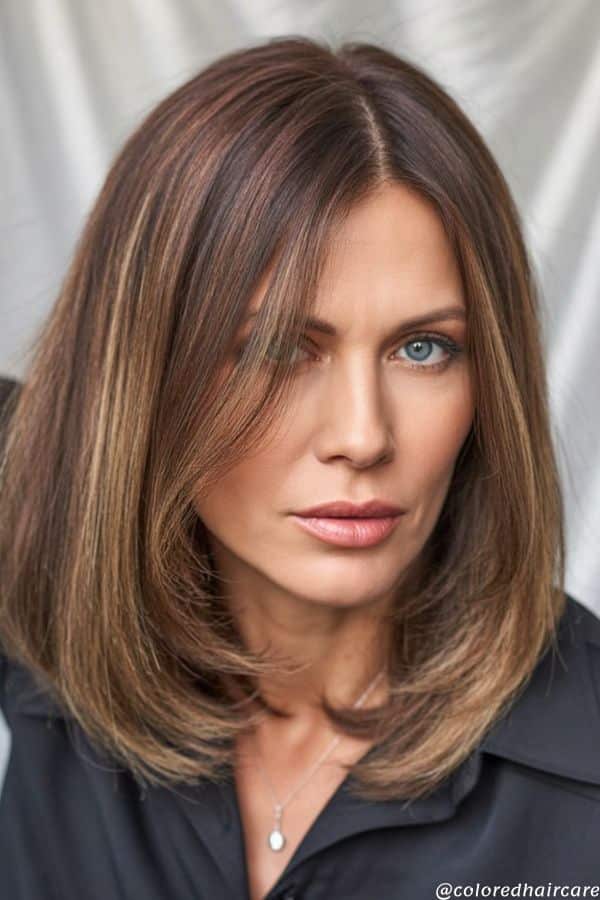
This is that rich, sunlit brunette that feels like late-afternoon light—warm, soft, and effortlessly flattering. It adds a healthy glow without screaming “I just dyed my hair,” making it perfect for blending gray subtly.
Best for: Warm or neutral undertones, brown or hazel eyes
Gray coverage: Excellent for blending early grays
Maintenance: Low; fades gracefully over time
Salon or DIY? Either—easy with at-home gloss or demi-permanent color
2. Honey Blonde
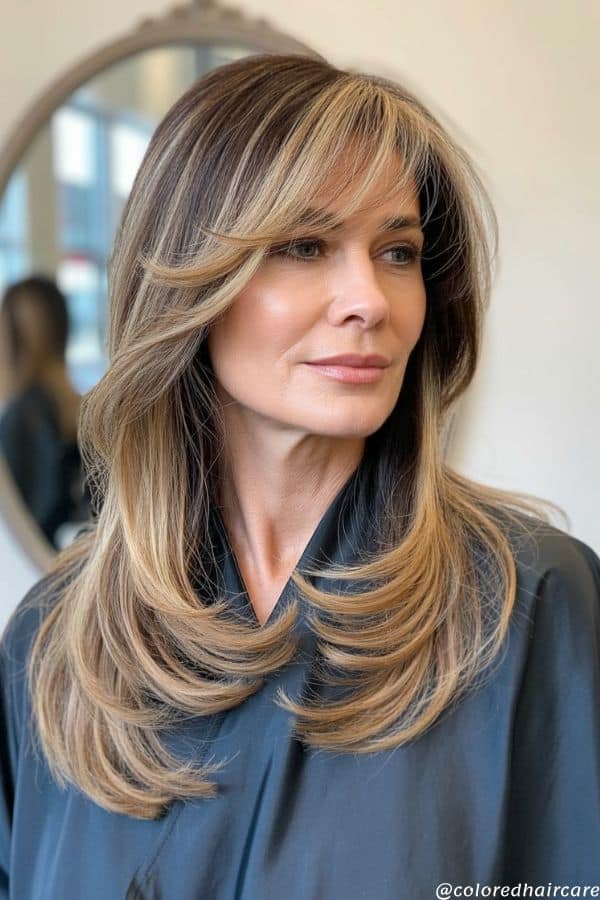
Honey blonde is that happy-medium blonde that brings brightness without veering into platinum territory. It catches the light beautifully and warms up the complexion without washing you out.
Best for: Warm undertones, especially if you were naturally blonde in your youth
Gray coverage: Softly blends light grays
Maintenance: Moderate; toning shampoo helps with upkeep
Salon or DIY? Salon is ideal, especially for tone balance
3. Warm Chestnut
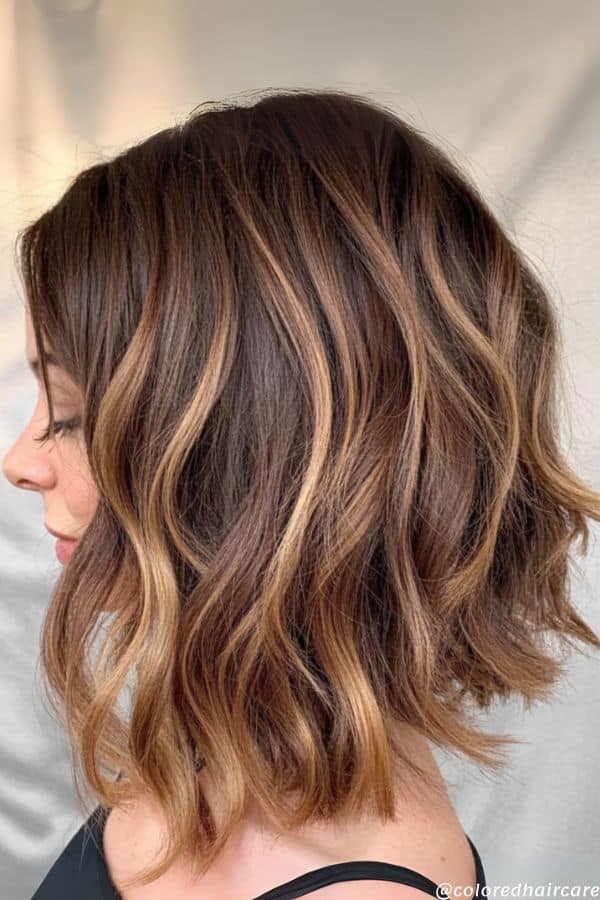
Chestnut is deep, chocolatey, and just a bit spicy—like a warm cardigan for your hair. It’s a beautiful choice for brunettes who want richness and depth without going too dark.
Best for: Olive or golden skin tones
Gray coverage: Great for covering or blending 50%+ gray
Maintenance: Medium; refresh every 6–8 weeks
Salon or DIY? Both work, especially with semi-permanent options
4. Copper Highlights
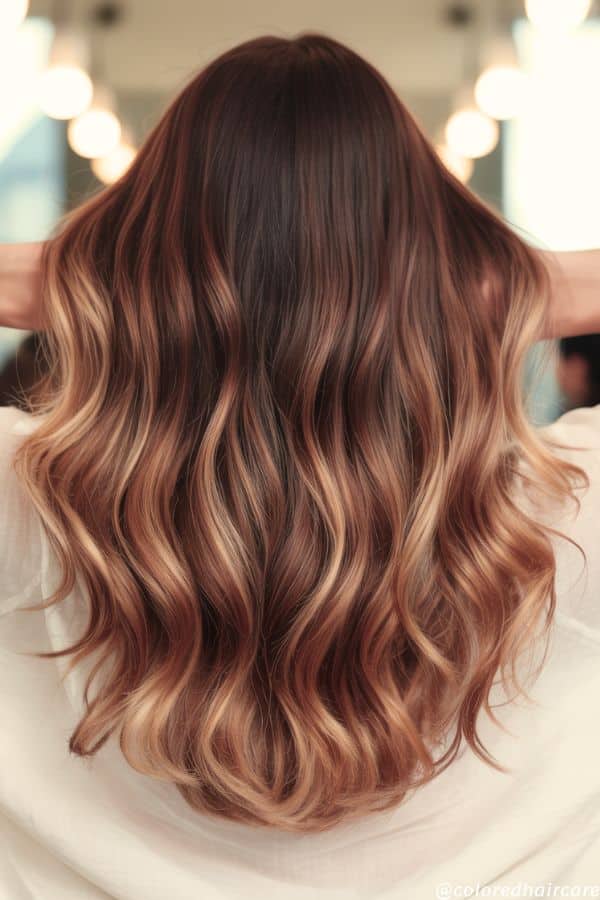
A little copper color goes a long way—these highlights add a pop of personality and warmth without overwhelming. It’s a great way to ease into red tones if you’re not quite ready for full-on auburn.
Best for: Green eyes, neutral to warm skin
Gray coverage: Strategically hides and softens gray strands
Maintenance: Low if highlights are subtle
Salon or DIY? Best done in-salon for placement precision
Cool Tones
5. Ash Brown
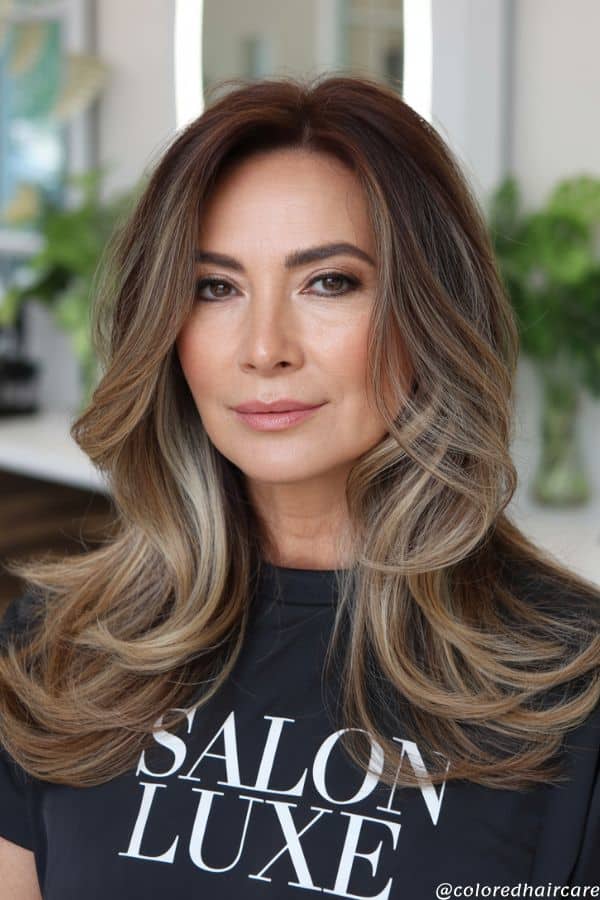
Ash brown is the quiet achiever—cool, chic, and effortlessly modern. It neutralizes unwanted red tones and is perfect if you want a soft, smoky finish.
Best for: Cool undertones, blue or gray eyes
Gray coverage: Excellent for blending silver into a cohesive look
Maintenance: Low; soft grow-out
Salon or DIY? Very DIY-friendly
6. Icy Champagne Blonde
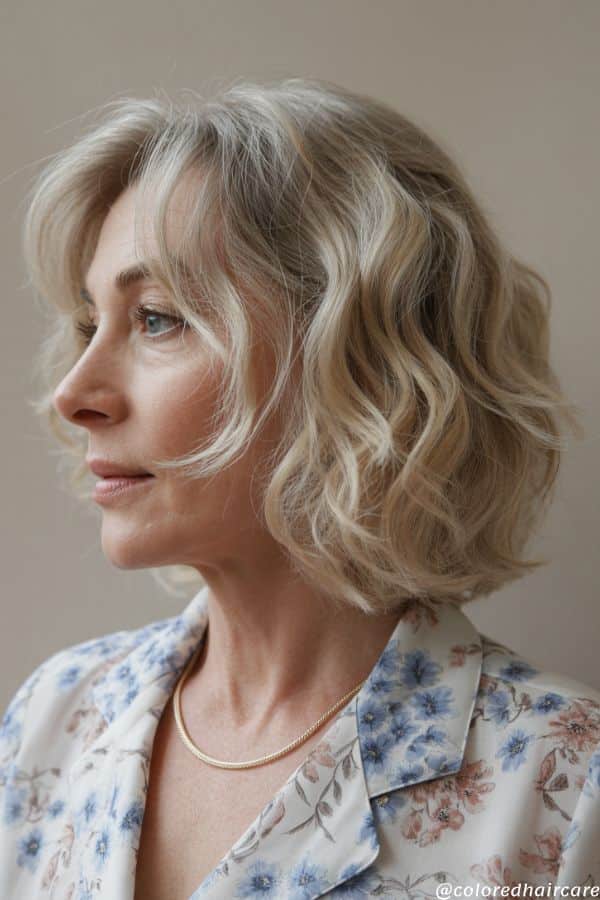
Champagne blonde walks the line between icy and golden—it’s light and luminous without going full platinum. It brings brightness to the face and feels sophisticated, not stark.
Best for: Cool to neutral undertones
Gray coverage: Great for blending high-percentage gray
Maintenance: Moderate; requires purple shampoo
Salon or DIY? Salon is safer for achieving even tone
7. Soft Charcoal Gray
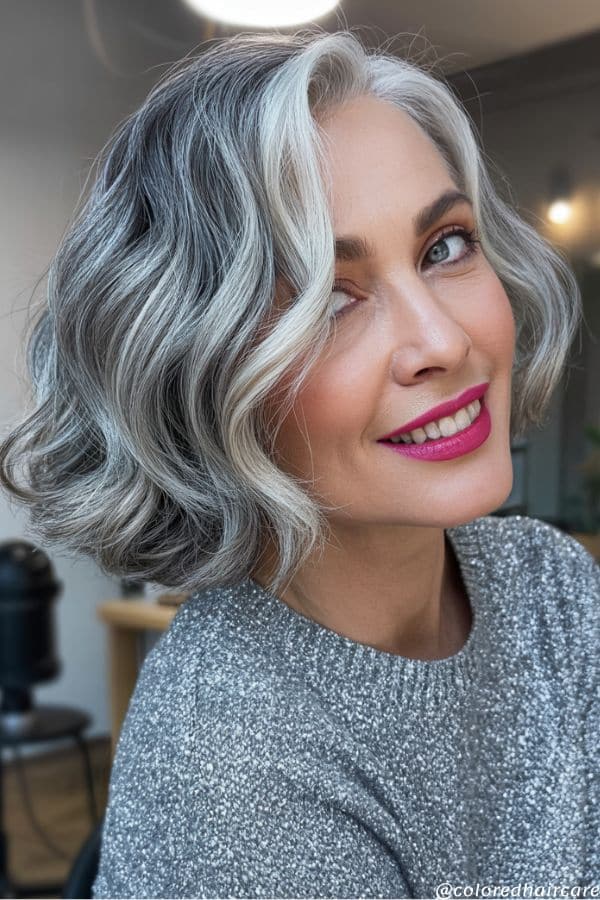
For those leaning into silver, charcoal gray is the edgy-yet-refined halfway point. It’s flattering and dimensional, giving structure without being severe.
Best for: Cool undertones, especially if you’re mostly gray already
Gray coverage: Enhances existing gray
Maintenance: Low; occasional glossing to keep shine
Salon or DIY? Both—gloss at home or tone at the salon
8. Platinum Silver
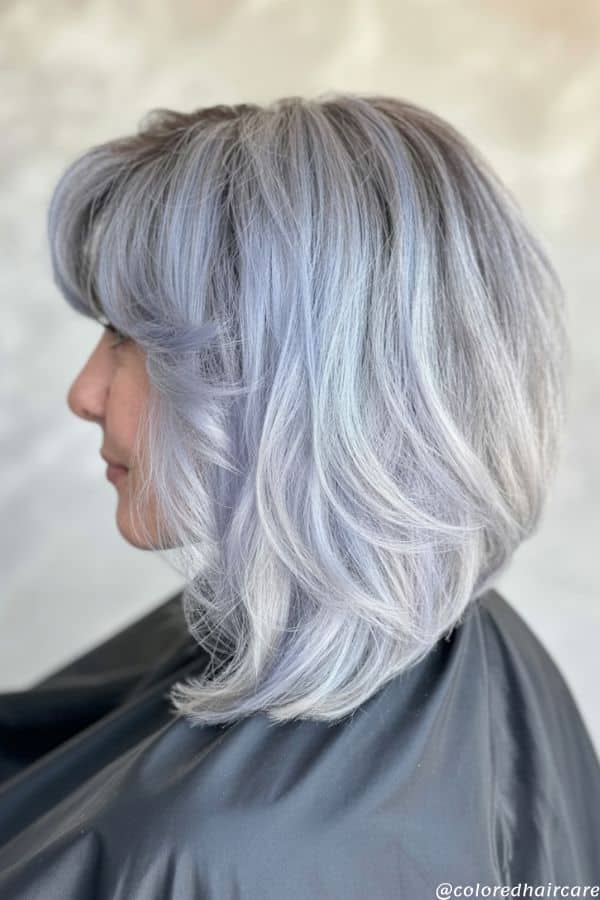
Striking and bold, platinum silver is a showstopper when done right. It’s especially flattering on cool skin tones and gives major confidence energy.
Best for: Fair, cool-toned skin
Gray coverage: Blends seamlessly with full gray
Maintenance: High; needs regular toning and care
Salon or DIY? Salon only—this one’s tricky at home
Neutral & Universal Shades
9. Mushroom Brown
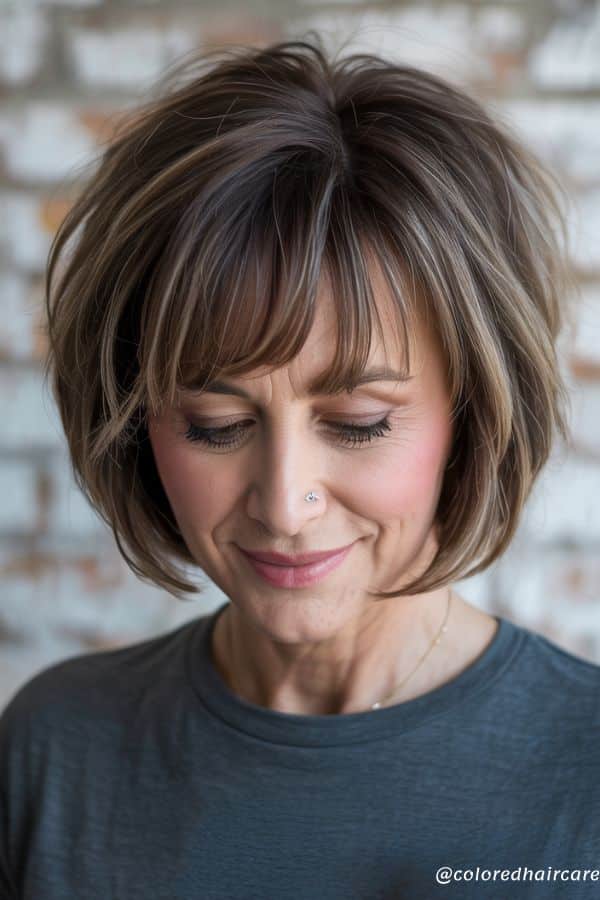
This earthy, smoky brunette mixes cool and warm tones for a perfectly balanced, modern look. It’s subtle, natural-looking, and wonderfully versatile.
Best for: Neutral or cool undertones
Gray coverage: Blends gray softly and evenly
Maintenance: Medium; toner helps maintain tone
Salon or DIY? Best results with salon blending
10. Beige Blonde
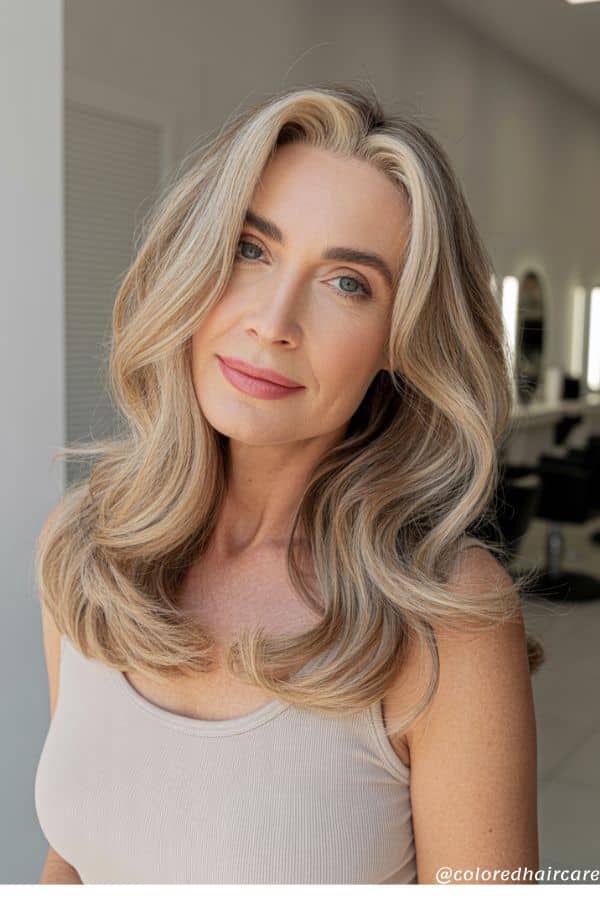
Beige blonde offers the softness of blonde without going too golden or too icy. It’s one of those shades that looks effortlessly polished with minimal upkeep.
Best for: Neutral to warm skin tones
Gray coverage: Good, especially with highlights or lowlights
Maintenance: Moderate; tone refreshes keep it fresh
Salon or DIY? Salon recommended for custom toning
11. Salt-and-Pepper Blend
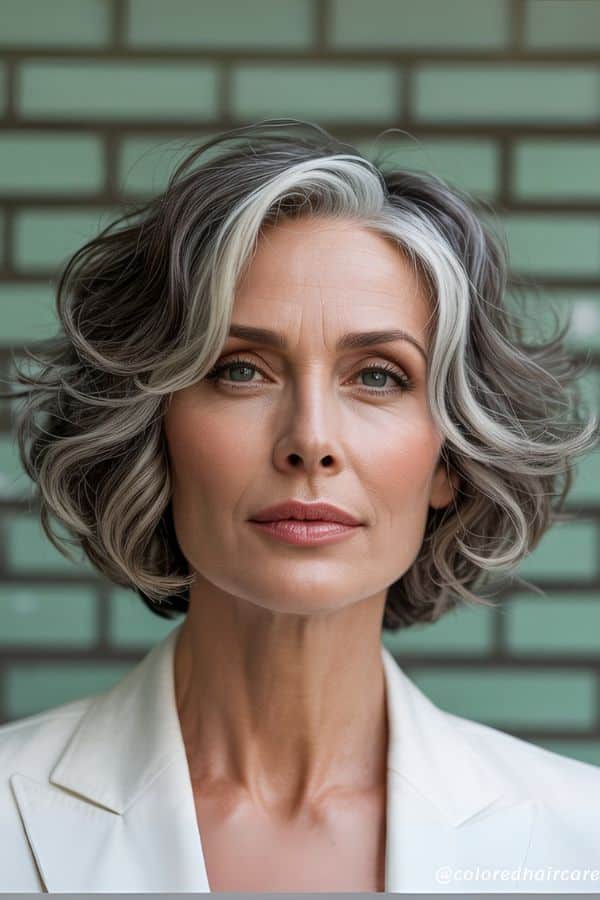
Instead of fighting the gray, this look embraces it—strategically enhancing your natural pattern for a blended, intentional finish. It’s elegant, easy, and very in right now.
Best for: Anyone with 50%+ natural gray
Gray coverage: Not full coverage—more about enhancement
Maintenance: Very low; occasional toner or gloss
Salon or DIY? Both—toning masks at home work wonders
12. Natural Henna Red
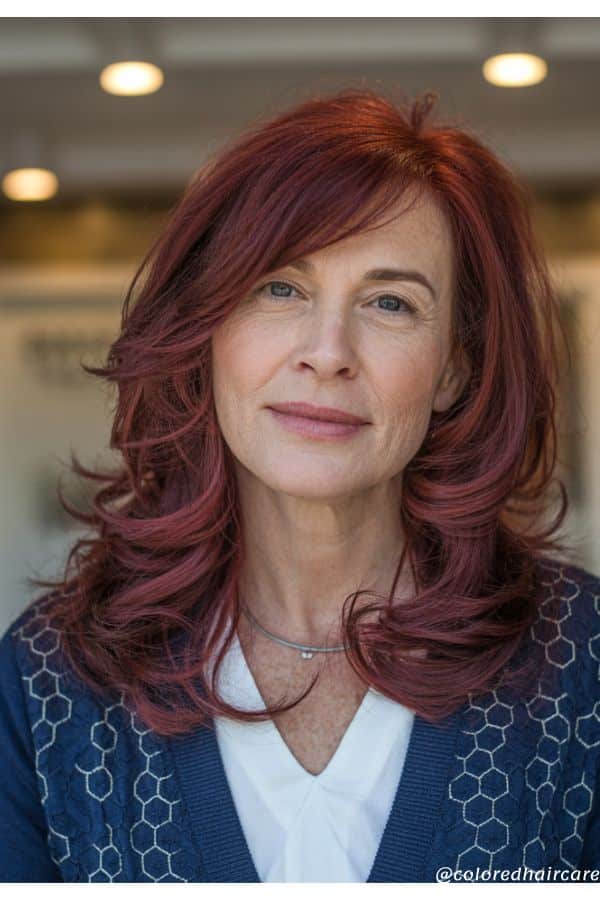
For those wanting something rich and botanical, henna gives you vibrant auburn tones with a built-in conditioning boost. Just know—it’s committed.
Best for: Warm undertones, especially brown or green eyes
Gray coverage: Full, but results vary by hair type
Maintenance: Low, but hard to alter once applied
Salon or DIY? DIY-only, with lots of prep and strand tests
What Makes a Hair Color ‘Natural,’ Really?
Okay, let’s clear something up: “natural” hair color doesn’t mean boring, beige, or back-to-your-roots in a strict sense.
What it does mean is soft, lived-in, and harmoniously blended—like the kind of color you might’ve had as a kid before highlights and toner became your love language.
Natural hair colors typically sit in that gentle middle space: multidimensional browns, soft blondes, grays with glow, reds that don’t shout. They mimic tones found in untouched hair, with just enough enhancement to brighten your features without screaming “salon visit every 3 weeks!”
And for women over 50? Natural shades are a secret weapon. Why?
• They grow out gracefully—no hard lines, no awkward “oops, roots.”
• They flatter skin that’s shifting in undertone and texture—think glow over glare.
• They’re easier on the wallet and the schedule—fewer touch-ups, more time for, well, living your gorgeous life.
Think of natural hair color as your personal Instagram filter: soft-focus, enhancing, and always flattering. Whether you’re easing into gray or just easing out of high-maintenance reds, there’s a natural hue out there that’s waiting to make your day.
How to Choose the Right Natural Color for You
Finding your perfect natural hair color is a little like dating—it’s all about chemistry, timing, and choosing what makes you feel your best. The good news? There’s no “too late” or “too bold”—just a few insider cues that can help your color love story really take off.
1. Your Skin’s Undertone
You’ve probably heard this before, but here’s a quick refresher (because yes, undertones matter more than your actual skin shade):
- Warm undertones (you tan easily, gold jewelry flatters you): look fab in honey, caramel, warm chestnut, and golden blondes.
- Cool undertones (you burn before you tan, silver jewelry pops): icy blondes, ash browns, and soft grays were made for you.
- Neutral undertones (you can’t tell? You might be neutral): lucky you—most natural shades will complement you, so go with your gut (or your gloss goals).
2. Eye Color
Your eye color can give your hair subtle support—it’s all in the harmony.
- Blue or green eyes: try cool browns, ash blondes, and soft silvers to let your eyes shine.
- Hazel or brown eyes: golden browns, warm chestnuts, and rich coppers bring a beautiful glow.
3. How Much Gray You’re Rocking
This one’s big. Whether you’ve got a whisper of silver or a full halo of gray, your approach might shift:
- Low gray % (under 30%): demi-permanent colors or subtle highlights can blend it like a dream.
- Medium to high gray (50%+): go for shades that embrace your gray—like salt-and-pepper blends, soft silvers, or toners that boost shine without hiding your silver strands.
4. Your Personal Style
You’ve earned the right to do you—bold, soft, minimal, or glam. So choose a color that fits your vibe:
- Elegant and timeless? Soft browns and classic blondes.
- Edgy or artsy? Silver-platinum or henna red, baby.
- Low-fuss minimalist? Mushroom brown, salt-and-pepper, or a color-depositing gloss.
Bottom line: the best natural hair color for you is the one that lights you up without demanding your whole weekend in return. A little effort, a lot of payoff.
How to Embrace Gray—with Flair
Let’s be real—gray hair has gone from something we covered in a panic to something we now highlight on purpose. And if you’ve ever caught yourself admiring someone’s shimmering silver strands and thinking, “Could I pull that off?”—the answer is a confident yes, with the right approach.
The key isn’t to cover the gray—it’s to enhance it, frame it, and let it play with light in all the right ways. Here’s how to go gray with style, not despite it:
Blend Instead of Hide
Root smudging is a total game-changer. Instead of a harsh line between gray roots and dyed hair, your colorist (or a savvy DIY kit) can softly melt your roots into the rest of your color. The result? Effortless grow-out, fewer touch-ups, and that “maybe it’s natural” finish.
Pair it with a satin gloss—a semi-transparent toner that adds subtle shine and polish to grays. It’s like a highlighter for your hair.
Gloss for Shine and Depth
If your natural gray feels a little flat or patchy, a demi-permanent gloss can breathe new life into it. These sheer colors won’t cover completely, but they’ll add a tonal wash—think pearl, steel, or champagne—that enhances your existing strands. Bonus: glosses are super gentle and fade gradually, so you’re never locked into a high-maintenance routine.
Highlights & Lowlights: The Gray Glam Team
Strategically placed highlights can brighten the face and give grays a deliberate, dimensional look. Lowlights, on the other hand, add depth—especially helpful if your natural gray is leaning too cool or feels too stark.
Together, they work like contour and highlight for your hair—lifting some sections, softening others, and making the whole thing look intentional and sophisticated.
Color TLC — Keep That Natural Tone Sparkling
You’ve found your perfect color match, whether it’s soft golden brown or that stunning salt-and-pepper blend—but how do you keep it looking as fresh as the day you fell in love with it?
Let’s be real: mature hair tends to be a little drier, a little finer, and a lot more prone to fading or dullness if we don’t treat it like the queen it is. Here’s how to keep the sparkle without signing up for a high-maintenance routine.
Use Clean, Sulfate-Free Formulas
Sulfates might be great at getting your dishes squeaky clean, but they are not your color’s friend. They strip away pigment and natural oils faster than you can say “root touch-up.”
Switch to a sulfate-free shampoo and conditioner designed for color-treated hair. If you’re rocking a blonde or silver shade, a purple shampoo once a week can tone out brass and keep things icy.
Shield from the Elements (and Your Hair Tools)
Sunlight, heat styling, even your hair dryer on turbo mode—these all zap color and dry out your strands. Invest in a good UV-protectant serum or wear a chic hat if you’re out in the sun for long stretches.
And when it comes to tools? Think cooler temps, slower passes, and always, always a heat protectant.
Gloss It Up Once or Twice a Month
A color-depositing gloss or mask is basically a spa day for your hair. These are typically semi-permanent conditioners with a hint of pigment that revives your tone and shine in under 10 minutes.
They’re ideal for keeping color looking vibrant between touch-ups—or for adding a little polish to your natural gray.
Plan Your Touch-Ups—Or Don’t
With natural shades, you can play it fast and loose with your maintenance. But if you like a more polished finish, consider a “halo touch-up” (just the visible parting and hairline) every few weeks instead of doing your whole head. Want even lower commitment?
Let your roots grow and focus on toning the mid-lengths and ends for a lived-in, dimensional effect.
Your Hair, Your Rules—Always
Here’s the truth: natural hair color after 50 isn’t about playing it safe—it’s about playing it smart. It’s about choosing shades that work with your skin, your schedule, and your self-worth. Whether you’re easing into gray or flirting with honey blonde, this stage of life isn’t about hiding—it’s about showing up as your full, fabulous self.
Maybe that looks like a soft mushroom brown with subtle highlights. Maybe it’s a bold henna red with botanical shine. Or maybe, just maybe, it’s the silvery strands you once tried to cover, now glowing proudly in the sunlight.
Whatever path you choose, know this: confidence is the best color you’ll ever wear. And the beauty of going “natural” is that it’s entirely up to you what that means.
So go ahead—experiment. Try something new. Or stay right where you are if it feels like home. Because hair isn’t just hair. It’s identity, expression, and a whole lot of fun when you stop worrying about the rules.
You’ve earned every shimmer, every strand, and every choice. Make it count.
Found your perfect shade? We’d love to see it! Tag us on Instagram @coloredhaircare or Facebook and share your hair color stories. Looking for more hair care tips? Check out How to Look After Colored Hair: 11 Expert Secrets For Long-Lasting Color.

Our Research & Review Process
To ensure our recommendations are as comprehensive and reliable as possible, we’ve undertaken an extensive research effort.
We cite scientific evidence and journals, collect real user reviews and gather impartial perspectives from hair stylists, users, and experts in the field.
Additionally, we conduct hands-on testing by using products and applying hair dyes not only on our own locks but also on real human hair extensions and hair pieces of different hair type, textures and lengths.
This rigorous approach allows us to provide you with insights into which products genuinely live up to their promises.
As always – please consult with a professional hair colorist or stylist for advice on how to color your own hair at home. It’s different for everyone!
