
There’s a particular moment after bleaching your hair when the excitement wears off.
The color? Gorgeous. The brightness? Exactly what you wanted. The texture? Apparently, you’ve been given somebody else’s hair.
I’ve had bleached hair go from perfectly respectable to feeling like something I could scrub a saucepan with, so I know the temptation is to throw every mask, oil, and suspiciously expensive little bottle in the bathroom at it.
But making bleached hair feel soft and silky again isn’t really about finding one miracle product. It’s about understanding what bleach has done to your hair, preventing more damage, and building a routine that makes those fragile strands easier to manage.
And yes, your hair can absolutely feel lovely again.
As an Amazon Associate, I earn from qualifying purchases.
Why does bleached hair feel so dry?
Bleaching is an oxidative chemical process. It breaks down the melanin pigments inside your hair so its natural color becomes lighter.
Unfortunately, the process doesn’t politely stop at the pigment.
Bleaching can also damage the protective cuticle on the outside of the hair and cause chemical changes to proteins deeper inside the fiber. The more heavily hair is bleached, the more vulnerable it can become to roughness, tangling, and breakage.
That’s why freshly bleached hair can suddenly feel coarse, fluffy, or straw-like, particularly when it’s wet.
So rather than thinking purely about “adding moisture,” think of your new mission as conditioning, protecting, and reducing further damage.
Here’s where I’d start.
1. Use conditioner every time you wash
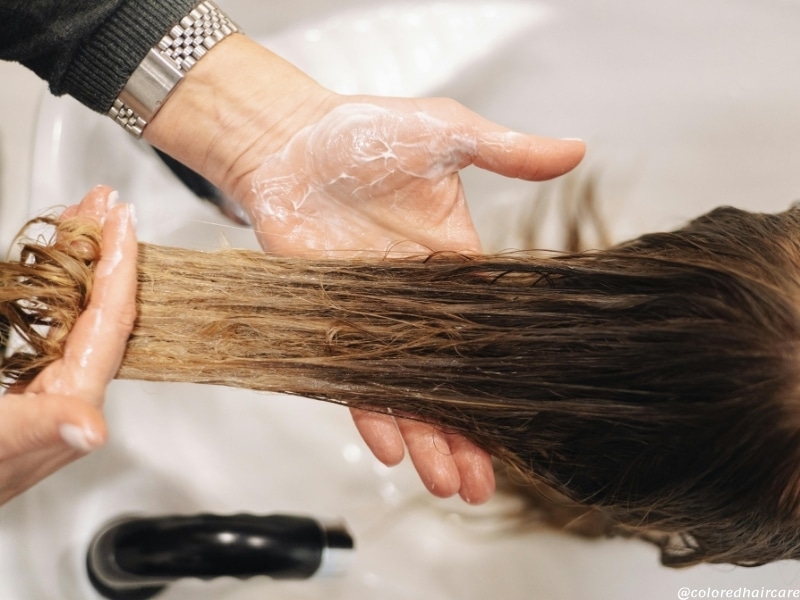
If there were one step I wouldn’t skip with bleached hair, it’s conditioner.
Conditioning ingredients help reduce friction between individual hair fibers and improve softness and manageability. That matters when your cuticle has already taken a battering from bleach.
Concentrate your conditioner through the mid-lengths and ends, which tend to be the oldest and most processed parts of your hair.
And give it a minute. Putting conditioner on and immediately rinsing it down the drain is rather like arriving at the gym, touching a dumbbell, and going home.
Follow the instructions on the product and let it do its thing.
We recommend: Redken Acidic Bonding Concentrate Conditioner. It’s made specifically with damaged, processed hair in mind and gives bleached lengths plenty of conditioning without making this step unnecessarily complicated.
2. Add a weekly conditioning mask
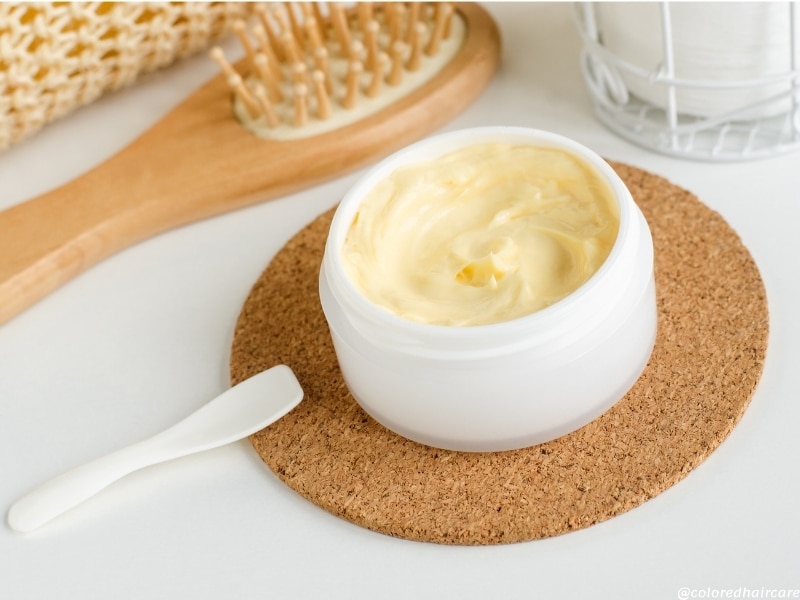
When regular conditioner isn’t quite cutting it, introduce a richer mask once a week.
Look for formulas designed for dry, damaged, or chemically treated hair. Conditioning agents, fatty alcohols, silicones, oils, and humectants can all help hair feel smoother and reduce that crispy texture.
You don’t necessarily need to sleep in your hair mask either.
Longer isn’t automatically better. Use it for the amount of time recommended by the manufacturer. Your hair mask does not need an overnight spiritual retreat.
We recommend: Briogeo Don’t Despair, Repair! Deep Conditioning Mask. It’s a good option when bleached hair needs a richer conditioning step, particularly if the ends have started feeling rough, dry, and generally unimpressed with you.
3. Consider a bond-building or repair treatment
Bond-building hair care has become a huge category, and bleached hair is exactly the sort of hair these products are generally aimed at.
Different “bond repair” products use different technologies, so they don’t all work in exactly the same way. What they have in common is the aim of improving the strength, condition, or manageability of chemically damaged hair.
I see these as an addition to a good conditioning routine rather than a replacement for one.
If your hair feels weak and prone to snapping as well as dry, a repair treatment may be particularly worth adding.
We recommend: K18 Leave-In Molecular Repair Hair Mask. It’s designed for hair damaged by chemical services such as bleaching and coloring, and because it’s a leave-in treatment, it’s an easy addition when your routine is already threatening to become a part-time job.
4. Try a leave-in conditioner
This is one of my favorite ridiculously easy tricks.
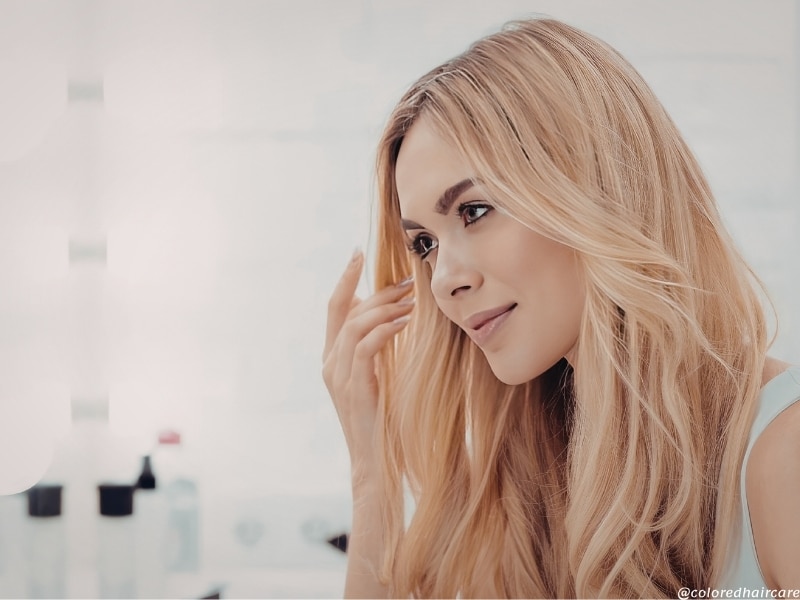
Apply a lightweight leave-in conditioner to damp hair after washing, concentrating on the lengths and ends. It can make detangling easier while giving dry hair extra slip and softness.
Fine hair? Start with a tiny amount.
Thick, curly, or very porous hair may prefer something richer.
The goal is silky hair, not hair that looks as though you’ve buttered it.
We recommend: Pureology Color Fanatic Multi-Tasking Leave-In Spray. It combines conditioning and detangling with heat protection, making it particularly handy for bleached hair if you’d rather not layer half your bathroom cabinet onto your head.
5. Be ridiculously gentle with wet hair
Bleached hair and aggressive brushing are not friends.
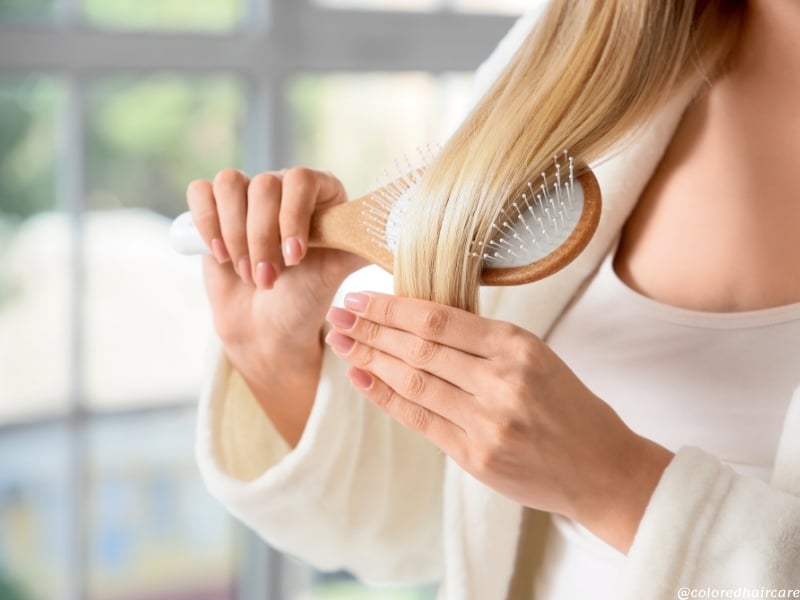
Detangle slowly, starting at the ends and working upward rather than dragging a brush straight through from the roots.
A wide-tooth comb or detangling brush designed to minimize pulling can help.
I’d also swap vigorous towel rubbing for gently squeezing or blotting away excess water with a soft towel or microfiber wrap.
The less unnecessary friction you create, the better.
We recommend: Tangle Teezer The Ultimate Detangler. Its flexible teeth make working through wet tangles easier without requiring the sort of enthusiastic yanking that fragile bleached ends could really do without.
6. Turn the temperature down
I love a glossy blowout as much as anyone, but heavily bleached hair does not need daily negotiations with a scorching flat iron.
If your hair is feeling particularly fragile, reduce heat styling while it recovers.
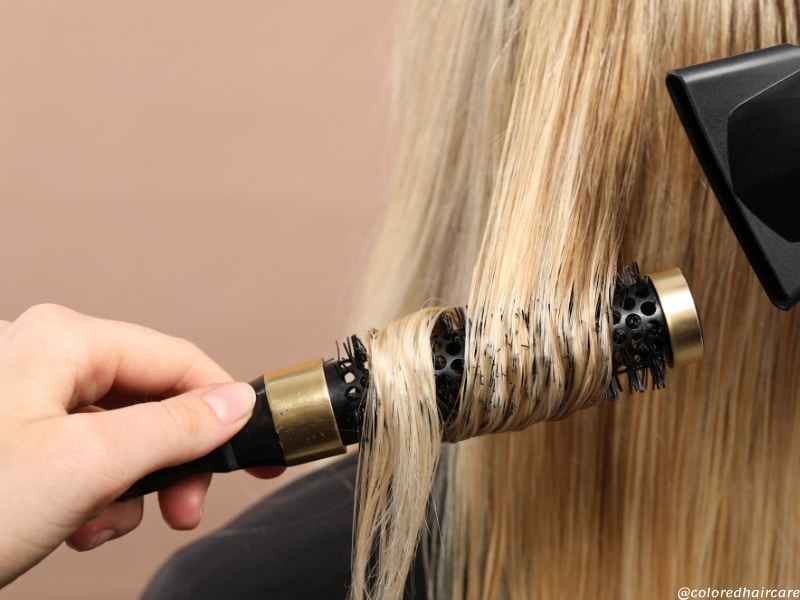
When you do use a blow-dryer, flat iron, or curling iron, apply a heat protectant first and use the lowest temperature that gets the job done.
You don’t necessarily have to abandon your blow-dryer completely. A controlled blow-dry on a sensible heat setting can leave hair beautifully smooth.
The important part is avoiding excessive heat and repeated passes over the same vulnerable sections.
We recommend: ghd Bodyguard Heat Protect Spray. It’s lightweight, easy to distribute through the hair, and gives you a dedicated heat-protection step before reaching for your dryer or hot tools.

7. Don’t over-wash it
There isn’t one perfect washing schedule for bleached hair because your scalp, hair texture, and lifestyle all matter.
But if you’re shampooing daily simply out of habit and your lengths constantly feel parched, experiment with washing a little less often.
When you do shampoo, concentrate mainly on your scalp rather than scrubbing shampoo through the ends.
Your scalp needs cleansing. Your bleached ends generally do not need to be interrogated.
We recommend: Pureology Hydrate Shampoo. It’s made for dry, color-treated hair and is a good choice when you want effective cleansing without choosing a shampoo primarily aimed at squeaky-clean volume or oil removal.

8. Don’t be frightened of silicones
Silicones have somehow acquired the sort of reputation normally reserved for minor Bond villains, but they can be extremely useful in damaged-hair products.
They can coat the hair fiber, reduce friction, improve smoothness, and create that glossy finish we associate with healthy-looking hair.
If a silicone-containing conditioner or serum makes your bleached hair feel soft, shiny, and easier to comb, there’s no beauty rule saying you need to stop using it.
We recommend: John Frieda Frizz Ease Extra Strength Serum. This silicone-based serum is particularly useful when porous, bleached ends look fuzzy or rough and you want an immediate smoother, glossier finish.

9. Use hair oil strategically
A little hair oil through the ends can instantly make bleached hair look smoother and shinier.
The important word is little.
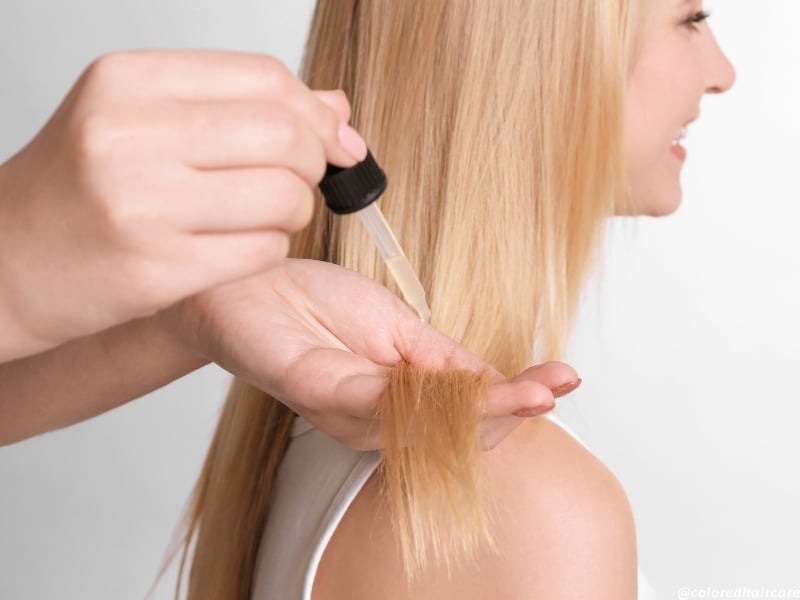
Start with one or two drops, rub them between your palms, and lightly smooth them over the driest sections.
Oil can improve the feel and appearance of damaged hair, but it doesn’t reverse severe structural damage. Think polish rather than time machine.
We recommend: Olaplex No.7 Bonding Oil. You only need a small amount, and it’s particularly useful for adding shine and smoothing dry-looking ends without completely overwhelming the hair.
10. Give seriously damaged hair a break from bleach
This is the boring tip nobody wants when their roots are approaching their own zip code, but it matters.
If your hair is snapping, excessively stretchy when wet, or breaking around the ends, piling more bleach onto already compromised sections can make matters worse.
Speak to an experienced colorist before your next lightening session and be very clear about previous color and bleach treatments.
Sometimes the best treatment really is simply not bleaching the same fragile hair again yet.
We recommend: K18 Molecular Repair Hair Oil. During a break from bleaching, a lightweight finishing product like this can help improve the look and feel of stressed lengths while you concentrate on gentler styling and preventing additional damage.
Bleached hair before and after
Can damaged bleached hair actually be repaired?
This needs a little nuance.
Hair outside the scalp is not living tissue, so damaged lengths cannot heal themselves in the way skin can.
Hair care can, however, make an enormous difference to how damaged hair behaves and looks. Conditioners, masks, proteins, oils, silicones, and repair treatments can improve things like smoothness, strength, shine, friction, and manageability.
But if the ends are severely split or breaking away, no product can permanently turn them back into virgin hair.
At that point, a trim may make your hair look and feel dramatically healthier.
Annoying? Slightly.
Effective? Very.
How long does it take for bleached hair to feel soft again?
You can make bleached hair feel softer after a single good conditioning treatment, but improving the overall condition of damaged hair is more of a routine than a rescue mission.
Start with the basics: gentle shampooing, conditioner every wash, a regular mask or repair treatment, leave-in conditioner, and sensible heat styling.
Then pay attention to what your own hair is telling you.
If it feels coated and limp, simplify your routine. If it still feels rough and tangles easily, increase the conditioning. If it’s snapping, stop focusing on shine and prioritize preventing further damage.
Because the secret to silky bleached hair isn’t really one magical bottle.
It’s lots of small, boringly sensible things done consistently.
Which, admittedly, isn’t quite as glamorous as discovering a miracle potion in the back of your bathroom cabinet. But your hair will be much happier for it.
Watch and learn: How to care for bleach blonde hair
Here’s a great video with some top tips and tricks on how to care for bleached blonde hair so you can get a soft, shiny mane you can’t wait to show off!

The final word
Bleached hair might need a little more TLC, but it doesn’t have to feel dry, rough, or permanently frazzled. The biggest difference comes from treating it gently and consistently: condition every wash, add a weekly treatment, protect it from excessive heat, and give seriously stressed hair a break from further bleaching.
And don’t feel like you need a 12-step routine to get there. Start with what your hair needs most, introduce products gradually, and pay attention to how it responds. A little patience, a lot of conditioner, and fewer encounters with a scorching flat iron can go a surprisingly long way toward getting that softness and shine back.
Found your perfect shade? We’d love to see it! Tag us on Instagram @coloredhaircare or Facebook and share your hair color stories. Looking for more hair care tips? Check out How to Look After Colored Hair: 11 Expert Secrets For Long-Lasting Color.

Our Research & Review Process
To ensure our recommendations are as comprehensive and reliable as possible, we’ve undertaken an extensive research effort.
We cite scientific evidence and journals, collect real user reviews and gather impartial perspectives from hair stylists, users, and experts in the field.
Additionally, we conduct hands-on testing by using products and applying hair dyes not only on our own locks but also on real human hair extensions and hair pieces of different hair type, textures and lengths.
This rigorous approach allows us to provide you with insights into which products genuinely live up to their promises.
As always – please consult with a professional hair colorist or stylist for advice on how to color your own hair at home. It’s different for everyone!